

- Authors

- Name
- Ahmad
- Role
- Senior Marketing Manager, Islamic education • DeenUp
بِسْمِ اللهِ الرَّحْمٰنِ الرَّحِيْمِ
In the name of God, the Most Gracious, the Most Merciful.
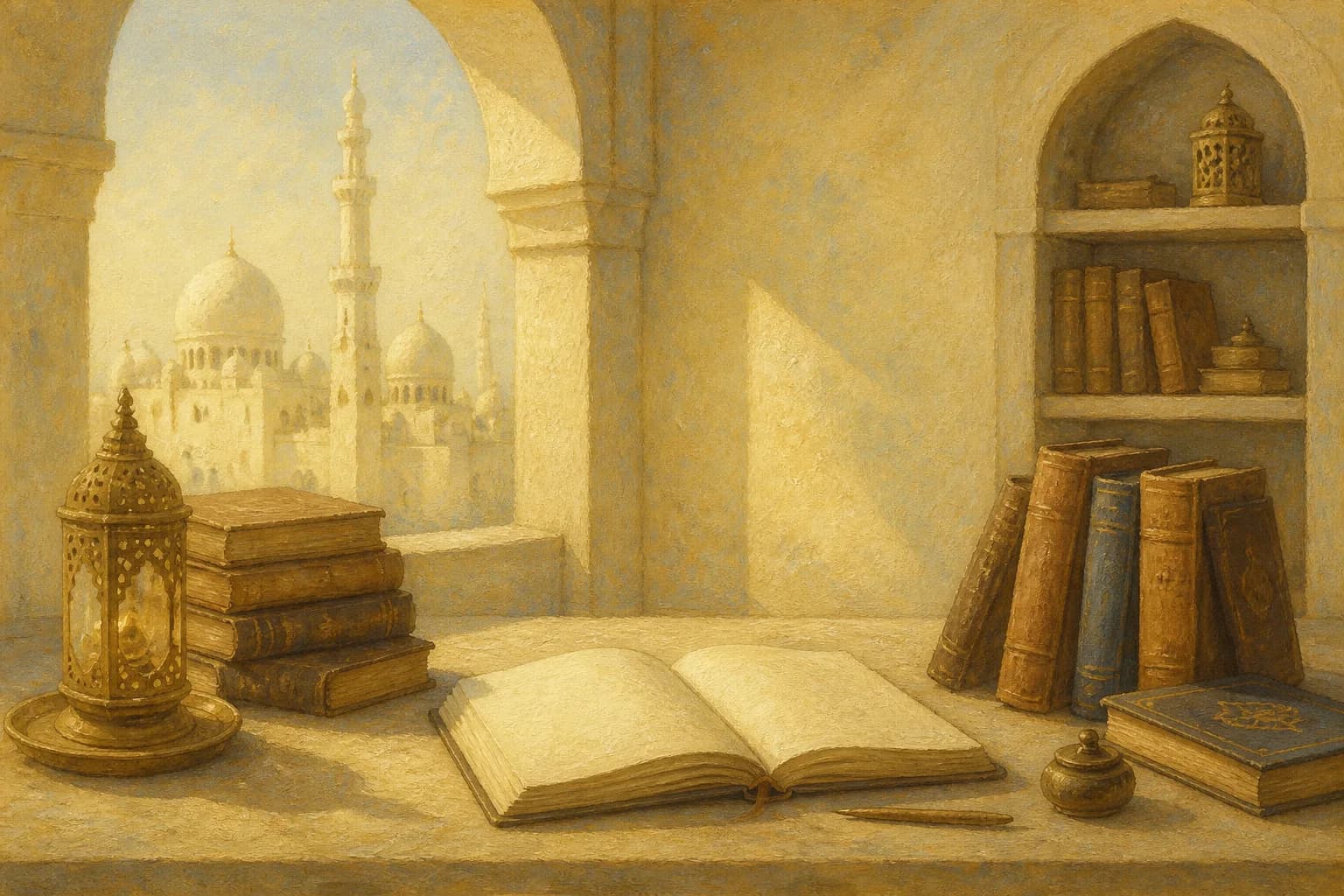
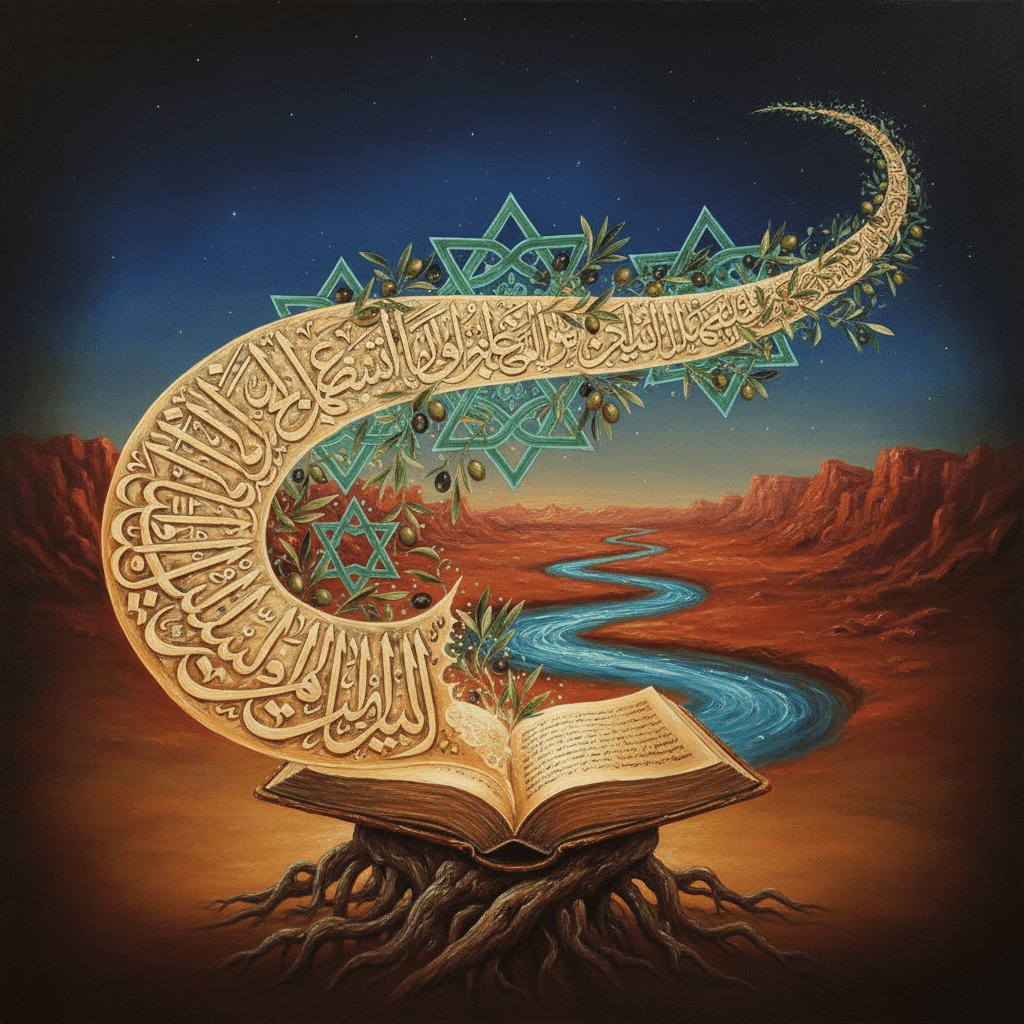
Islamic art is not one thing — it's a conversation between belief, math, and craft that points back to the Divine. This post gives you practical ways to read, appreciate, and use Islamic art and calligraphy in your life without jargon or guesswork.
Begin here: you'll learn what makes Islamic paintings distinctive, how calligraphy functions as worshipful design, and clear steps to identify styles and preserve artworks.
TL;DR Summary
- Recognize geometric patterns as visual theology and study symmetry.
- Identify major Arabic scripts: Kufic, Naskh, Thuluth, and Riqa'.
- Learn three steps to start practicing calligraphy at home.
- Use mosque and museum labels to verify historical context.
- Preserve paper and textiles by controlling light and humidity.
- Display Quranic text respectfully and consult scholars for rulings.
- Choose non-figurative art for broad community acceptance.
- Explore online archives and museum catalogs for safe learning.
"الَّذِي أَحْسَنَ كُلَّ شَيْءٍ خَلَقَهُ"
"Who perfected everything which He created."
— Quran 32:7
Video: A Visual Tour of Islamic Patterns and Calligraphy
This short video shows examples of geometric patterns, calligraphic panels, and the transformation from manuscript scripts to architectural inscriptions.
What Makes Islamic Paintings Distinctive
Islamic paintings and visual traditions prioritize pattern, rhythm, and text over naturalistic representation. That choice grew from theological, cultural, and practical reasons.
Principles behind the style
- Unity: designs use repeated modules to express order and harmony.
- Aniconism: public religious spaces favor non-figurative ornament.
- Text-as-image: calligraphy turns words into central visual focal points.
Materials and techniques
- Common supports: paper, parchment, ceramic tiles, textiles, woodwork.
- Techniques: illumination, gilding, inlay, and cuerda seca glazing.
- Preservation tip: keep manuscripts in low light and stable humidity.
How paintings function in worship and daily life
- Wall inscriptions teach short Quranic phrases or duas.
- Portable paintings or panels provide reminders in homes.
- Museum labels often cite verse references — use them for context (https://quran.com/32/7).
WARNING
Common Mistake Avoid assuming every historic Islamic painting is religious; many pieces are secular, made for courts and private patrons.
Reading Arabic Calligraphy: Scripts and Clues
Calligraphy varies by script, purpose, and region. Learn to spot common scripts and what they signal.
Major scripts and where you find them
- Kufic: angular, early inscriptions on stone and coins.
- Naskh: clear, manuscript script for the Quran and books.
- Thuluth: decorative, tall script used on mosque panels and headings.
- Riqa' and Nastaliq: everyday handwriting and Persianate manuscripts.
How to identify script quickly
- Look at letter proportions: tall verticals suggest Thuluth or Kufic.
- Check ligatures and stroke endings for regional traits.
- Compare to labeled examples in museum collections and guides (see a manuscript example on https://sunnah.com/bukhari:1 for reference formatting of Arabic text).
Why script matters for dating and origin
- Script evolution helps date manuscripts to centuries.
- Regional styles (Maghrebi vs. Ottoman) suggest geographic origin.
- Use reputable catalog entries and scholarly notes to confirm provenance.
TIP
Start a visual vocabulary notebook: copy a basic letter in different scripts to internalize shapes.
Geometric Patterns and the Mathematics of Beauty
Geometric ornament expresses balance and infinity through repeatable modules. You don't need advanced math to appreciate or sketch basic patterns.
Basic building blocks
- Units: star polygons, rosettes, and girih tiles.
- Construction: compass-and-straightedge for many historic designs.
- Practice: begin with an eight-pointed star and expand outward.
How patterns relate to meaning
- Repetition suggests the infinite nature of the Creator.
- Symmetry conveys order and balance in creation.
- Look for pattern families, not single motifs, when analysing a painting.
Practical exercise to analyze a painting
- Step 1: Locate the repeating unit.
- Step 2: Trace rotational or mirror symmetry axes.
- Step 3: Ask: does the pattern center on text or image?
Practical Guide: Caring for Islamic Paintings and Calligraphy
If you own or handle Islamic paintings, basic care preserves value and dignity.
Storage and display essentials
- Use UV-filtering glass and low light levels for manuscripts.
- Keep temperature around 18–22°C and humidity 45–55%.
- Rotate displayed items to reduce cumulative light damage.
Handling steps for fragile items
- Wear clean gloves when touching paper or pigments.
- Support manuscripts fully; avoid forcing open tight bindings.
- Document condition with photos before conservation work.
Choosing frames and mounts
Use acid-free mats and archival backing.
Avoid adhesives on original surfaces — consult conservators.
For textiles, use padded flat mounts rather than tight frames.
Check light exposure before hanging originals
Confirm archival materials are acid-free
Photograph item condition annually
Consult a conservator for flaking pigments
TIP
When in doubt, photograph and store flat until you can consult a conservator.
How to Start Practicing Calligraphy (Three Simple Steps)
You don't need a studio to begin — follow these steps and build skill steadily.
Step 1: Learn the tool basics
- Choose a reed pen (qalam) or broad-nib marker.
- Practice holding the pen at a consistent angle.
- Learn basic strokes before whole letters.
Step 2: Copy models and trace
- Use good exemplars of one script (Naskh for beginners).
- Trace letters to feel stroke order and pressure.
- Progress to freehand copying after 2–4 weeks of tracing.
Step 3: Make small projects
- Start with short phrases or single words.
- Create a framed panel of a short dua or name of Allah.
- Respect text by keeping it clean and displaying it appropriately.
WARNING
Common Mistake Don’t rush to complex scripts like Thuluth before mastering letter rhythm; it leads to poor habits.
Context and Ethics: Displaying Religious Texts
Displaying Quranic verses requires respect. The content and placement matter.
Respectful display practices
- Keep Quranic text away from bathrooms or ground-level careless areas.
- Avoid using sacred text for purely decorative, disrespectful contexts.
- If selling pieces with Quranic verses, state proper usage and care instructions.
When to consult a scholar
- If unsure about permissibility of displaying particular content, consult a qualified scholar.
- For unclear cultural practices, seek local guidance to avoid community harm.
- Use scholarly resources for rulings and nuance (see discussion examples at https://seekersguidance.org/articles/).
Balancing aesthetics and devotion
- Choose art that enhances your remembrance and home dignity.
- Use non-figurative and calligraphic panels for common shared spaces.
Resources to Learn More (Selected Articles and Studies)
- Read manuscript guidance and verse context at Quran verse 32:7 on quran.com (https://quran.com/32/7).
- Learn about calligraphy and script classification from an academic overview at Yaqeen Institute’s paper on spiritual practice (https://yaqeeninstitute.org).
- Study practical mosque etiquette and inscriptions via SeekersGuidance article on worship (https://seekersguidance.org/articles/).
- View museum-quality discussions of Islamic art examples at The Maydan’s essays on arts (https://yaqeeninstitute.org).
- Explore cultural pieces and modern practice at Islamicity's feature on Islamic art (https://islamqa.info/en).
- Read popular essays connecting calligraphy and faith at IlmFeed (https://yaqeeninstitute.org).
- Find technical notes and workshops at Qalam Institute articles (https://sunnah.com).
- Browse curated features and modern artists at The Muslim Vibe (https://seekersguidance.org).
TIP
Bookmark reputable museum catalog pages and academic articles for reliable visual references.
Checklist Before Buying or Restoring Islamic Paintings
- Verify provenance and historical context
- Inspect for water damage and pigment loss
- Confirm no disrespectful treatment of sacred text
- Ask for conservation records if available
- Obtain a written condition report for costly pieces
Conclusion
Islamic paintings and calligraphy invite you to read beauty as a form of worship. Start by learning a few scripts, recognizing geometric modules, and treating sacred text with care. Use the practical steps here: practice strokes, protect your pieces, and consult scholars for questions about display or rulings. As you study, let the art guide you toward reflection on the Creator’s perfect design rather than simply decoration.
Frequently Asked Questions
How can I start appreciating Islamic art if I don't read Arabic?
Begin by learning the basic visual language: geometric motifs, arabesque forms, and calligraphic styles. Focus on how patterns repeat and how calligraphy functions as both text and ornament. Visit local museums or online collections and read short guides from reputable sources; consult scholarly articles for deeper context.
What is the meaning behind Arabic calligraphy in mosques?
Calligraphy in mosques often displays Quranic verses, supplications, or the names of Allah and the Prophet ﷺ, serving both devotional and decorative roles. It avoids figurative imagery in public religious contexts and directs attention toward the linguistic and spiritual message. For specific contexts, consult scholarly notes or mosque guides.
Can I display Islamic paintings at home without breaking any rules?
Yes — many Islamic paintings focus on geometric design, calligraphy, and non-figurative motifs, which are widely accepted. If you include figural work, follow your local scholarly guidance and family sensibilities. When in doubt, choose calligraphic or geometric pieces for living spaces.
How do I identify authentic calligraphic styles like Thuluth or Naskh?
Compare letters: Thuluth features tall, curved verticals and sweeping strokes; Naskh is smaller and more compact for manuscripts. Use authoritative guides and museum descriptions to learn proportions and stroke patterns. Practicing with reproductions helps internalize differences.
Where can I learn more about the history of Islamic geometric design?
Start with museum essays and academic summaries, then read specialized studies on geometry in Islamic art. Look for articles that explain construction methods, like how star polygons and girih tiles were built. For hands-on learning, try simple compass-and-straightedge exercises.
Is it permissible to make my own calligraphic art for sale?
Many scholars permit producing and selling non-figurative calligraphic and geometric art. If your work includes sacred text, handle it respectfully and avoid placing it in disrespectful contexts. For specific rulings, consult a qualified local scholar.