

- Authors

- Name
- Ahmad
- Role
- Senior Marketing Manager, Islamic education • DeenUp
بِسْمِ اللهِ الرَّحْمٰنِ الرَّحِيْمِ
In the name of God, the Most Gracious, the Most Merciful.


Ramadan is the most sacred month on the Islamic calendar — a month when Muslims fast from dawn to sunset, increase in worship, and draw closer to Allah. Yet many people enter Ramadan with unanswered questions: What exactly counts as breaking the fast? Who qualifies for an exemption? What happens if you miss a day due to illness or travel? Understanding the rules of Ramadan fasting is not about legalistic anxiety — it is about worshipping Allah the right way, with knowledge and confidence.
What Are the Rules of Ramadan Fasting?
Ramadan fasting requires abstaining from eating, drinking, and sexual relations from the break of dawn (Fajr) until sunset (Maghrib) throughout the entire ninth month of the Islamic lunar calendar. The obligation applies to every sane, adult Muslim who is physically able. It begins with a sincere intention (niyyah) made each night before dawn and is established directly in the Quran (Surah Al-Baqarah, 2:183–185).
What Makes Fasting in Ramadan Obligatory?
Allah commands fasting directly in the Quran:
يَا أَيُّهَا الَّذِينَ آمَنُوا كُتِبَ عَلَيْكُمُ الصِّيَامُ كَمَا كُتِبَ عَلَى الَّذِينَ مِن قَبْلِكُمْ
"O you who have believed, decreed upon you is fasting as it was decreed upon those before you." — (Surah Al-Baqarah, 2:183)
The same passage names Ramadan as the month in which the Quran was revealed and describes it as "guidance for the people and clear proofs of guidance and criterion" (2:185). Fasting Ramadan is the fourth of the Five Pillars of Islam.
The dua for breaking the fast — recited at Maghrib — captures the spirit of the whole day:
اللَّهُمَّ لَكَ صُمْتُ وَعَلَى رِزْقِكَ أَفْطَرْتُ
"O Allah, for You I fasted and upon Your provision I break my fast." — (Abu Dawud 2358)
The Prophet ﷺ confirmed its centrality: "Islam is built on five things: the testimony that there is no god but Allah and that Muhammad is His messenger, establishing prayer, paying zakat, fasting Ramadan, and performing Hajj." (Sahih al-Bukhari 8)
What Breaks the Ramadan Fast?
The invalidators of the fast — called muftiraat — fall into two categories depending on how severe the breach was.
Actions Requiring Only Qada (Making Up the Missed Day)
| Invalidator | Detail |
|---|---|
| Intentional eating or drinking | Any deliberate intake, including water |
| Sexual intercourse with valid excuse | Illness or other recognized reason; still breaks the fast |
| Deliberate vomiting | Accidental vomiting does not invalidate |
| Nutritional IV or injection | Scholarly difference; nutritive drips generally invalidate |
| Menstruation or post-birth bleeding | The woman makes up those days after Ramadan |
Actions Requiring Kaffarah (Full Expiation)
Intentionally breaking a Ramadan fast through sexual intercourse without a valid excuse requires kaffarah: freeing an enslaved person, and if unable, fasting sixty consecutive days, and if unable, feeding sixty poor people. This ruling comes from the hadith in Sahih al-Bukhari (1936) about a man who approached the Prophet ﷺ having broken his fast in this way.
What Does NOT Break the Fast
- Accidentally eating or drinking while genuinely forgetting you are fasting
- Carefully rinsing the mouth during wudu without swallowing
- Applying eye drops, ear drops, or most topical medicines (the majority scholarly view)
- Blood drawn for a medical test
- An injection that is not nutritive
Unsure whether a specific situation breaks your fast? Take the free DeenUp quiz for Quranic-grounded guidance on the most common fasting questions.
Who Is Exempt from Fasting?
Islam grants real and meaningful exemptions for those who cannot fast. As Allah says: "Allah intends for you ease and does not intend for you hardship." (Surah Al-Baqarah, 2:185)
| Situation | Permitted Action | Obligation After Ramadan |
|---|---|---|
| Traveler (≈ 48 miles / 77 km) | May break fast | Make up missed days |
| Illness (fasting would cause harm) | May break fast | Make up missed days |
| Pregnant or nursing (risk to health) | May break fast | Make up days (or fidya per some scholars) |
| Elderly (genuinely unable to fast) | Exempt | Pay fidya — feeding one poor person per day |
| Child (pre-puberty) | Not obligated | Encouraged gradually |
| Menstruating | Cannot fast | Must make up those days |
The traveler exemption is flexible: if fasting while traveling is easy and causes no hardship, scholars encourage completing it because making up days afterward can be difficult. But the permission to break the fast is fully valid.
The complete guide to Ramadan covers these exemptions alongside the month's broader structure of worship. For the dua to say when you do break the fast, see the dua for breaking fast.
Making Up Missed Ramadan Fasts
For those who break or miss fasts with a valid excuse, making up those days (called qada) is obligatory before the next Ramadan. The Quran states: "Whoever among you is ill or on a journey — then an equal number of other days." (Surah Al-Baqarah, 2:184)
Qada fasts may be completed at any point during the year before the next Ramadan arrives. If Ramadan comes before you have made up all missed days without a valid reason, you owe fidya for the delay in addition to still making up those days.
The suhoor and iftar guide has practical advice for the beginning and end of each daily fast — useful both during Ramadan and when making up missed days.
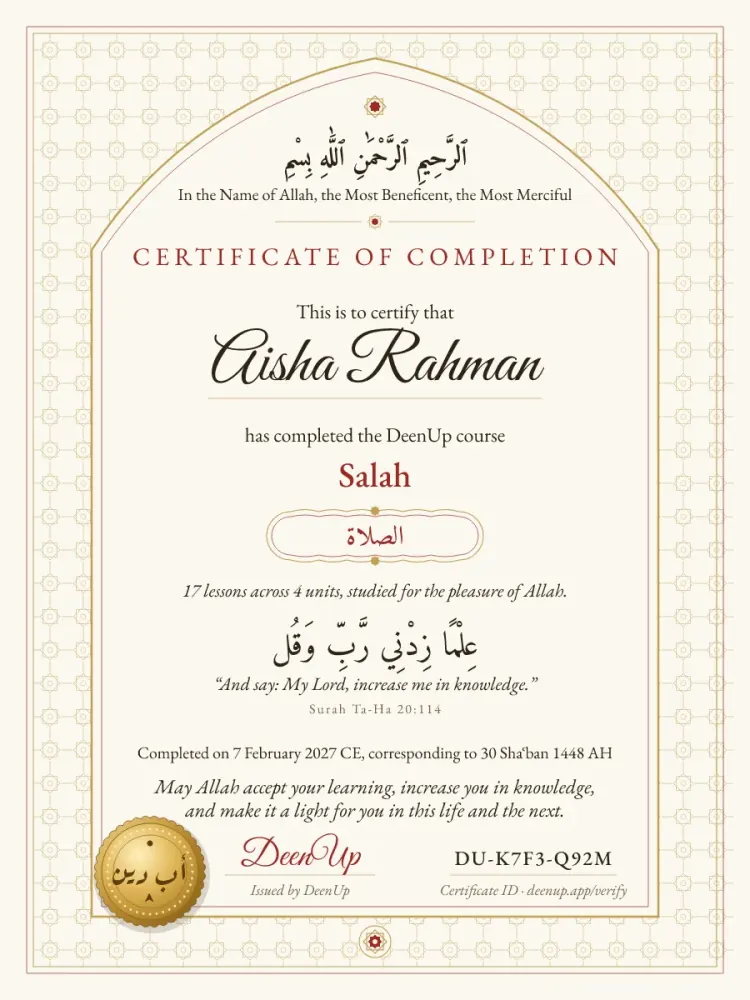
Your personal 28-Day Deen Plan
Learn your deen in 28 days, 5 minutes a day
The essentials of salah, fiqh and faith, step by step from authentic sources. Finish all 28 days and earn a verifiable Certificate of Completion.
Take the free quizAnswer a few questions and get your personal plan.
Why These Rules Matter for Modern Muslims
Modern life presents Ramadan with unique pressures: office hours, gym schedules, travel for work, and the constant availability of food. The rules of Ramadan fasting are designed to be followed without obsessive anxiety. The Prophet ﷺ himself said: "Religion is easy, and whoever makes it too difficult will find it too much for them." (Sahih al-Bukhari 39)
The principles to hold onto:
- Intention is key. A sincere niyyah before each fast — even a quiet internal resolve — is what gives the fast its validity and reward.
- Hardship is real. The exemptions are not loopholes. Allah built them into the obligation because human life involves illness, travel, and genuine incapacity.
- Making up missed fasts matters. It is not optional for those with valid excuses — qada is an obligation, not a recommendation.
The DeenBack piece on the spiritual dimension of Ramadan fasting explores why the discomfort of fasting is itself part of the transformation, while the Demi Manifest Ramadan guide covers how to hold the month's demands alongside a full modern schedule.
For step-by-step guidance on how to structure each fasting day — from waking for suhoor to making iftar — see how to fast in Ramadan. And if you tend to slip on common mistakes that reduce the spiritual reward of your fast, common Ramadan mistakes covers the most frequent ones.
Signs Your Fast Is Being Observed Correctly
When the rules of Ramadan fasting are properly followed, you notice both outward and inward signs:
- Your character improves — the Prophet ﷺ said: "Whoever does not give up lying and acting upon lies, Allah has no need of his giving up his food and drink." (Sahih al-Bukhari 1903)
- You feel genuine taqwa (God-consciousness) throughout the day, not just hunger
- The fast feels like a focused act of worship, not a mechanical exercise
- Evening worship — taraweeh, Quran recitation, istighfar — becomes something you anticipate
If you want to deepen this during Ramadan, see the importance of suhoor for how the pre-dawn meal anchors the spiritual momentum of the whole day.
Ramadan Fasting With Confidence
The rules of Ramadan fasting exist to protect the act of worship — not to burden you, but to help you observe it correctly. When you understand what breaks the fast, who is exempt, how to form the niyyah, and how to make up missed days, you can focus on what Ramadan is actually for: drawing closer to Allah, resetting your character, and deepening your relationship with the Quran.
For verified Islamic rulings on specific fasting questions, Quran.com is a reliable starting point for the Quranic foundation of the obligation.
Start a free DeenUp plan to build your Ramadan habits — Quran, dua, and daily reflection — all in one place.
Your personal 28-Day Deen Plan
Learn your deen in 28 days, 5 minutes a day
The essentials of salah, fiqh and faith, step by step from authentic sources. Finish all 28 days and earn a verifiable Certificate of Completion.
Take the free quizAnswer a few questions and get your personal plan.
Frequently Asked Questions
Does drinking water break the fast in Ramadan?
Yes, drinking water intentionally breaks the Ramadan fast. Any deliberate intake of food or liquid from dawn (Fajr) until sunset (Maghrib) invalidates the fast. An accidental sip while forgetting you are fasting does not break it, according to the majority of scholars, since the Prophet said Allah overlooks acts done out of forgetfulness.
What actions break the Ramadan fast?
The main invalidators of the Ramadan fast are intentional eating or drinking, sexual intercourse, and deliberate vomiting. These are called muftiraat. Accidentally swallowing water while rinsing the mouth, or eating and drinking out of genuine forgetfulness, does not break the fast according to the majority opinion grounded in Sahih al-Bukhari.
Who is exempt from fasting in Ramadan?
Muslims exempt from Ramadan fasting include travelers on a journey of about 48 miles or more, people whose health would be harmed by fasting, pregnant and nursing women when fasting poses a risk, the elderly who are physically unable, and children who have not reached puberty. Travelers and the sick make up missed days later; those permanently unable pay fidya.
What is the niyyah for Ramadan fasting?
The niyyah (intention) for Ramadan fasting must be made each night before Fajr. It does not need to be spoken aloud — a sincere internal resolve to fast for the sake of Allah is sufficient. The Prophet said there is no fast for one who does not form the intention the night before (Abu Dawud 2454). Voluntary fasts may be intended before midday.
Can a traveler break their Ramadan fast?
A traveler may break the Ramadan fast when covering approximately 48 miles or more. Allah says: whoever among you is ill or on a journey should make up the same number of days later (Surah Al-Baqarah, 2:184). Making up those days after Ramadan is obligatory. If fasting causes no hardship during travel, completing it is virtuous but breaking it remains valid.
What is the difference between kaffarah and fidya?
Fidya is a compensation paid by those permanently unable to fast — feeding one poor person per missed day. Kaffarah is a heavier expiation for intentionally breaking a Ramadan fast through sexual intercourse without valid excuse: freeing a slave, or if unable, fasting sixty consecutive days, or if unable, feeding sixty poor people. Only kaffarah has this escalating structure.
Is it permissible to rinse the mouth during Ramadan?
Yes, rinsing the mouth as part of wudu is permitted during Ramadan. Scholars advise against gargling deeply to avoid swallowing water accidentally. The Prophet instructed moderation in rinsing the nose when fasting (Abu Dawud 142). If water is deliberately swallowed while rinsing, the fast is broken and the day must be made up.