

- Authors

- Name
- Ahmad
- Role
- Senior Marketing Manager, Islamic education • DeenUp
بِسْمِ اللهِ الرَّحْمٰنِ الرَّحِيْمِ
In the name of God, the Most Gracious, the Most Merciful.
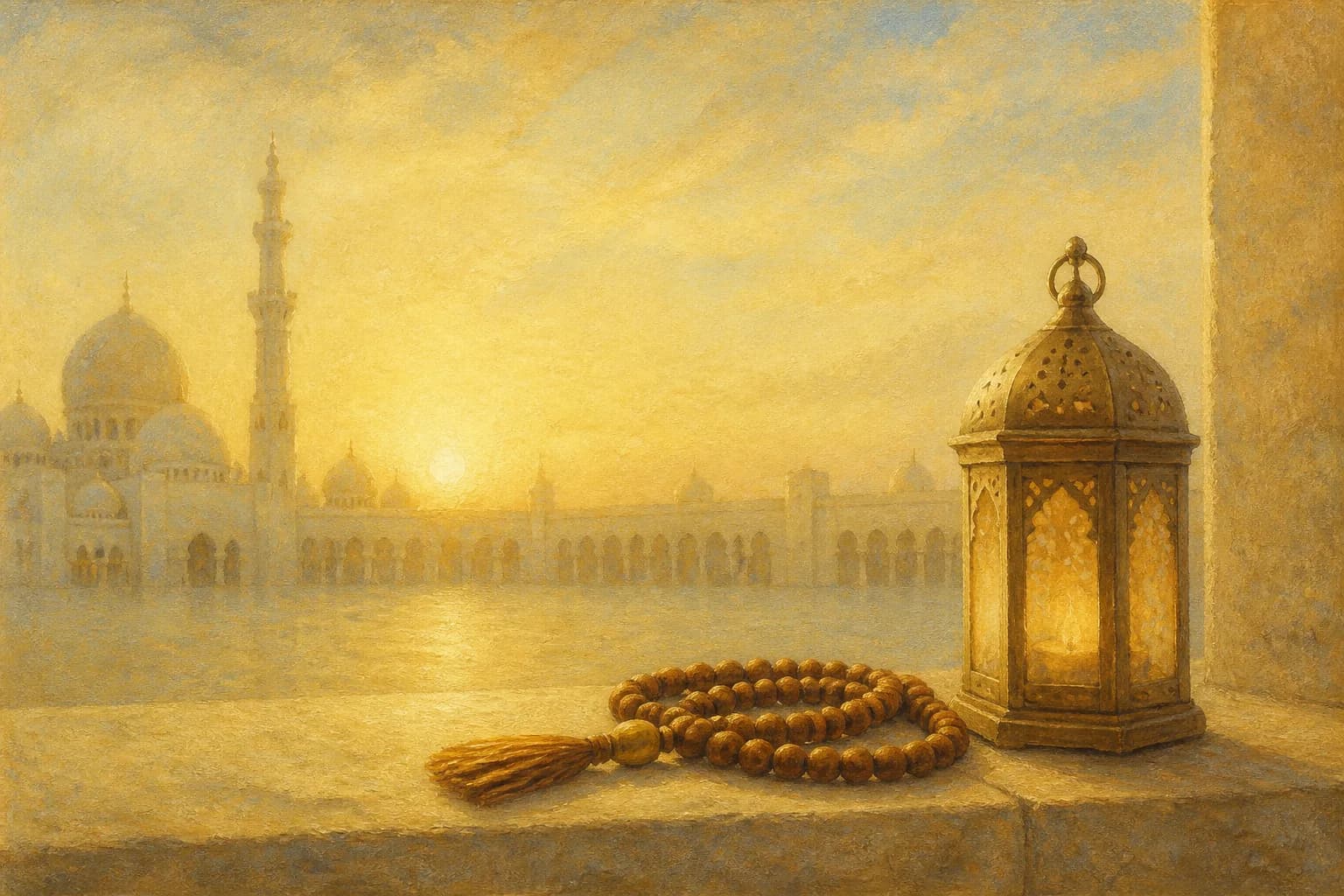

Why Muslims Do Not Just Fall Asleep — They Surrender to Allah
Most of us collapse into bed after a long day, scrolling until our eyes give out. But for a practicing Muslim, the moment your head meets the pillow is not simply the end of the day — it is an act of tawakkul, a surrender to Allah.
Sleep in Islam is not passive. The Prophet Muhammad ﷺ left behind a detailed sunnah for bedtime — specific duas, physical positions, Quranic recitations, and states of ritual purity — all designed to transform ordinary rest into something that earns reward. The concept of blessed sleep in Islam rests on this foundation: when guided by the sunnah, even unconscious hours become worship.
What Does Blessed Sleep Mean in Islam?
Blessed sleep in Islam means rest that begins with the remembrance of Allah, is accompanied by sincere intention, and is grounded in the understanding that sleep is one of His great signs. The Quran states: "And of His signs is your sleep by night and day, and your seeking of His bounty" (Surah Ar-Rum, 30:23). The Prophet ﷺ instructed Muslims to make wudu, lie on the right side, and recite specific supplications — turning the nightly routine into devotion that continues even through unconsciousness, earning reward while the body rests.
The Duas That Protect and Bless Your Sleep
The Dua Before Sleeping
The most important supplication before sleep comes directly from the Prophet ﷺ:
بِسْمِكَ اللَّهُمَّ أَمُوتُ وَأَحْيَا
Bismika Allahumma amutu wa ahya
"In Your name, O Allah, I die and I live." — (Sahih al-Bukhari 6324)
This dua is deeply meaningful. The Prophet ﷺ described sleep as a minor form of death — every time we sleep, we surrender our consciousness entirely to Allah. Reciting this aloud before closing your eyes is an acknowledgment of complete dependence on Him.
The Dua Upon Waking
When you open your eyes in the morning, the Prophet ﷺ taught this response:
الْحَمْدُ لِلَّهِ الَّذِي أَحْيَانَا بَعْدَ مَا أَمَاتَنَا وَإِلَيْهِ النُّشُورُ
Alhamdulillahil-ladhi ahyana ba'da ma amatana wa ilayhin-nushur
"All praise is due to Allah Who gave us life after death, and to Him is the resurrection." — (Sahih al-Bukhari 6312)
Starting the day with this dua reframes your entire morning. You did not simply wake up — Allah returned your soul to you. Every new morning is a grace, not a given.
For the complete Arabic text and transliteration of both duas, visit our dedicated guide on dua before sleeping and the dua for waking up.
The Prophet's Bedtime Blueprint: Six Sunnahs of Sleep
The Prophet ﷺ left behind a complete bedtime sunnah. Each element has authentic hadith backing, and together they form what scholars describe as a spiritually protective routine.
1. Perform Wudu Before Sleeping
"When you go to bed, perform wudu as you do for prayer, then lie on your right side." — (Sahih al-Bukhari 247)
Sleeping in a state of wudu (ritual purification) is a confirmed sunnah. Ibn Hajar al-Asqalani notes in Fath al-Bari that the angels continue to accompany a person who sleeps in wudu, and some scholars say such a person is considered to have prayed all night.
2. Lie on Your Right Side
Orienting to the right side is the Prophet's own practice. Beyond its spiritual dimension, this position has natural benefits — it eases digestion and reduces pressure on the heart.
3. Recite Ayatul Kursi
The Prophet ﷺ taught that reciting Ayatul Kursi (Al-Baqarah 2:255) before sleep brings divine protection all night (Sahih al-Bukhari 2311). This verse is the greatest ayah in the Quran — a declaration of Allah's absolute sovereignty — and reciting it at night is a way of placing yourself under His direct care.
4. Recite the Three Quls
Surah Al-Ikhlas (Qul huwa Allahu Ahad — "Say: He is Allah, the One"), Surah Al-Falaq, and Surah An-Nas form a trio the Prophet ﷺ recommended for nighttime protection. Blow into cupped hands and wipe over your body three times (Sahih al-Bukhari 5017). This is an authentic form of ruqyah — spiritual protection — taught directly by the Prophet.
5. Set an Intention for Fajr
Sleep with the sincere intention to wake for Fajr. Scholars note that this intention itself is an act of worship. When you rise for prayer, your night of rest was not wasted time — it was preparation for standing before Allah.
6. Seek Refuge Before Sleep
Before settling, recite: A'udhu bikalimatillahit-tammati min sharri ma khalaq — "I seek refuge in the perfect words of Allah from the evil of what He has created" (Sahih Muslim 2708). This is the Prophet's own supplication for protection from harm.
Quick Reference: Sunnahs of Blessed Sleep
| Sunnah Practice | What to Do | Hadith Reference |
|---|---|---|
| Wudu before bed | Perform as for prayer | Sahih al-Bukhari 247 |
| Right-side position | Lie on right side when settling | Sahih al-Bukhari 247 |
| Bedtime dua | Bismika Allahumma amutu wa ahya | Sahih al-Bukhari 6324 |
| Ayatul Kursi | Recite Al-Baqarah 2:255 | Sahih al-Bukhari 2311 |
| Three Quls | Recite and blow on hands x3 | Sahih al-Bukhari 5017 |
| Waking dua | Alhamdulillah upon waking | Sahih al-Bukhari 6312 |
Why Blessed Sleep Matters for Muslims Today
Modern life has made sleep transactional. We treat it as downtime between productive hours, something to minimize rather than honor. But the Islamic model sees rest differently.
Ibn al-Qayyim wrote that the alternation of sleep and wakefulness mirrors the alternation of death and resurrection — a constant reminder of the Day of Judgment. Every time you wake up, you have been given another chance to worship Allah. Every night you sleep, you practice tawakkul — letting go of control.
For Muslim professionals, parents, and students who feel perpetually exhausted, the Islamic approach to sleep is also a form of mercy. You are not required to be awake and productive every hour. Rest is built into the design. But even rest can be an act of devotion when surrounded by the right intentions and remembrances.
To build a complete evening routine, our guide to evening adhkar in Islam covers the full set of supplications for after Maghrib through bedtime. And connecting your night to your morning, morning adhkar in Islam picks up exactly where sleep ends.

Keep learning your deen with short, sourced lessons in DeenUp.
How to Build Your Islamic Bedtime Routine
If you are starting from scratch, add one practice at a time:
- Week 1: Learn the bedtime dua (Bismika Allahumma). Recite it every night before closing your eyes.
- Week 2: Add wudu before sleep. Even a brief purification.
- Week 3: Add Ayatul Kursi and the Three Quls.
- Week 4: Commit to sleeping on your right side with intention for Fajr.
By the end of one month, you have the full sunnah bedtime routine — built gradually, without guilt or overwhelm. Scholars consistently note that small, consistent acts outrank large bursts of effort. The Prophet ﷺ himself said: "The most beloved deeds to Allah are those done consistently, even if small." (Sahih al-Bukhari 6464)
For Muslims building consistent Islamic habits, the DeenBack guide on daily Islamic habit-building offers a practical structure that complements this bedtime practice. And for those wanting to anchor the entire day — from evening to morning — Demi Manifest's Islamic morning routine guide is a helpful read on the post-sleep worship window.
For scholarly context on sleep in Islamic practice, Sunnah.com's collection of hadiths on sleep provides the primary source texts. And for the Quranic perspective on sleep as a divine sign, Quran.com's Surah Ar-Rum 30:23 has the verse with multiple translations and tafsir references.
Signs That Your Sleep Practice Is Deepening
You know your night routine is becoming meaningful when:
- You feel incomplete going to bed without your duas — the habit has become part of your identity
- Waking up feels like gratitude rather than reluctance
- Your first thought in the morning is the waking dua rather than your notifications
- You naturally orient to your right side without thinking
These are not dramatic spiritual experiences. They are small, steady signs that the sunnah is taking root in your daily life — which is exactly what blessed sleep in Islam looks like from the inside.
Keep learning your deen with short, sourced lessons in DeenUp.
Frequently Asked Questions
What does Islam say about sleep?
Islam regards sleep as one of the signs of Allah, as stated in the Quran (Surah Ar-Rum, 30:23). The Prophet Muhammad taught Muslims to perform wudu before sleep, lie on the right side, and recite protective duas, turning ordinary rest into a devotional act that earns reward.
What is the dua before sleeping in Islam?
The dua before sleeping is: Bismika Allahumma amutu wa ahya — meaning 'In Your name, O Allah, I die and I live.' It is recorded in Sahih al-Bukhari 6324. Muslims recite it while lying on the right side, acknowledging that sleep is a minor form of death.
Should Muslims sleep on their right side?
Yes, sleeping on the right side is a confirmed sunnah. The Prophet Muhammad instructed: 'When you go to bed, perform wudu as for prayer, then lie on your right side' (Sahih al-Bukhari 247). This physical position is considered a small act of worship when done with intention.
What is the dua for waking up in Islam?
Upon waking, Muslims recite: Alhamdulillahil-ladhi ahyana ba'da ma amatana wa ilayhin-nushur — 'Praise be to Allah Who gave us life after death, and to Him is the resurrection' (Sahih al-Bukhari 6312). This dua reframes every morning as a renewed gift from Allah.
How can sleep be an act of worship in Islam?
Sleep becomes worship when accompanied by sincere intention, proper duas, and the sunnahs of the Prophet. Scholars note that a Muslim who sleeps after Isha with the intention to rise for Fajr earns reward even while asleep, as the intention itself is an act of obedience to Allah.
Is it sunnah to recite Ayatul Kursi before sleeping?
Yes. The Prophet Muhammad taught that reciting Ayatul Kursi (Al-Baqarah 2:255) before sleep brings divine protection through the night. This is recorded in Sahih al-Bukhari 2311, in the story of Abu Hurairah and the night visitor who turned out to be Shaytan.
What surahs are recommended before sleeping?
The Prophet recommended reciting Surah Al-Ikhlas, Al-Falaq, and An-Nas before sleeping — blowing into cupped hands and wiping them over the body three times (Sahih al-Bukhari 5017). This is a form of ruqyah, or spiritual protection, taught directly by the Prophet.