

- Authors

- Name
- Ahmad
- Role
- Senior Marketing Manager, Islamic education • DeenUp
بِسْمِ اللهِ الرَّحْمٰنِ الرَّحِيْمِ
In the name of God, the Most Gracious, the Most Merciful.


Many Muslims feel a quiet tension when they are unsure whether something is allowed or not. Is this food ingredient haram? Is this business deal permissible? The uncertainty is real — and the desire to get it right comes from a genuine love of Allah. That instinct is exactly what taqwa (God-consciousness) looks like in everyday life.
Understanding what is haram in Islam is not about fear. It is about walking through life with clarity — knowing what your Creator has asked you to stay away from, and why, so that you can make good choices without guessing.
What Does Haram Mean in Islam?
The word haram (حَرَام) in Arabic means "forbidden" or "prohibited." In Islamic law (fiqh), haram refers to any action, food, drink, or behavior that Allah has explicitly forbidden in the Quran or through the authentic Sunnah of the Prophet Muhammad ﷺ. Performing a haram act is a sin; abstaining from it is itself an act of worship for which Muslims receive reward. The Quran frames the concept in Surah Al-A'raf: "He commands them what is just and forbids them what is evil; he allows them as lawful what is good and prohibits them from what is bad" (Al-A'raf, 7:157).
The opposite of haram is halal (حَلَال) — permitted and lawful. Between these two poles sits makruh (disliked but not sinful) and mubah (neutral/permitted). Knowing the difference matters enormously — not everything that is frowned upon is actually haram.
The Major Categories of Haram Things
Islamic scholars organize haram prohibitions into a few clear categories. The table below offers an at-a-glance reference:
| Category | Key Examples | Primary Evidence |
|---|---|---|
| Food and Drink | Pork, alcohol, blood, carrion | Al-Baqarah 2:173; Al-Ma'idah 5:90 |
| Financial Practices | Riba (interest), bribery, theft | Al-Baqarah 2:275; Al-Ma'idah 5:38 |
| Sexual Conduct | Zina (fornication/adultery) | Al-Isra 17:32 |
| Worship | Shirk (associating partners with Allah) | An-Nisa 4:116 |
| Social Conduct | Backbiting, lying, slander | Al-Hujurat 49:12; Al-Baqarah 2:283 |
| Physical Harm | Murder, self-harm | Al-Ma'idah 5:32 |
What Foods and Drinks Are Haram?
The Quran explicitly prohibits four categories of food in Surah Al-Baqarah:
حُرِّمَتْ عَلَيْكُمُ الْمَيْتَةُ وَالدَّمُ وَلَحْمُ الْخِنزِيرِ
"Forbidden to you are carrion, blood, the flesh of swine." — (Surah Al-Baqarah, 2:173)
These four are: carrion (dead animals not slaughtered properly), flowing blood, pork, and animals slaughtered in the name of other than Allah. Alcohol and all intoxicants are separately prohibited in Surah Al-Ma'idah (5:90), where the Quran calls them rijs — an abomination.
Beyond these core prohibitions, scholars derived additional rulings: animals with fangs or talons used for hunting (such as lions, eagles, and wolves) are generally prohibited based on authentic hadith. Predator animals and certain insects are considered haram under the Hanafi and other madhabs.
The good news: the default for all other food is permissibility. You do not need to prove something is halal — only that it is not listed among the forbidden.
Is Riba (Interest) Haram?
Yes. Riba is one of the most emphatic prohibitions in the Quran. Allah declares:
الَّذِينَ يَأْكُلُونَ الرِّبَا لَا يَقُومُونَ إِلَّا كَمَا يَقُومُ الَّذِي يَتَخَبَّطُهُ الشَّيْطَانُ مِنَ الْمَسِّ
"Those who consume interest cannot stand except as one stands who is being beaten by Satan into insanity." — (Surah Al-Baqarah, 2:275)
Riba covers interest charged on loans, predatory lending, and any guaranteed increase on a debt. This prohibition covers both giving and receiving interest. It is one of the few things in the Quran where Allah declares war on those who persist in it — making it one of the gravest economic prohibitions in Islamic law.
For modern Muslims navigating mortgages and credit, the question of Islamic finance alternatives is a live and important one. Many Islamic scholars have approved certain murabaha and diminishing musharakah structures as halal alternatives. For guidance relevant to your situation, consult DeenUp's Quran-based answers or a qualified Islamic finance scholar.
Zina, Shirk, and Backbiting
Three additional categories deserve specific mention because of how often they arise in practice.
Zina (fornication and adultery) is explicitly forbidden in Surah Al-Isra: "And do not approach unlawful sexual intercourse. Indeed, it is ever an immorality and is evil as a way" (17:32). The phrasing "do not even approach" is significant — it warns against anything that leads toward the act, including certain kinds of seclusion, inappropriate conversations, or media that normalizes it.
Shirk — associating partners with Allah — is the one sin the Quran says will not be forgiven if a person dies without repenting: "Indeed, Allah does not forgive association with Him, but He forgives what is less than that for whom He wills" (An-Nisa, 4:116). This applies not just to idol worship but to relying on amulets, seeking help from the dead, or superstitions that replace trust in Allah.
Backbiting (ghiba) is described in the Quran with striking imagery: "Would one of you like to eat the flesh of his dead brother? You would detest it" (Al-Hujurat, 49:12). The Quran treats speaking ill of a person in their absence as spiritually equivalent to cannibalism — a metaphor designed to make the reality visceral. This is one of the most commonly committed haram acts in everyday social life.
Understanding Why Things Are Haram
Islamic scholarship developed the concept of maqasid al-shariah — the objectives of Islamic law — to explain the wisdom behind prohibitions. Scholars like Imam al-Ghazali and Ibn Ashur articulated that Islamic law protects five essential interests:
- Life — prohibitions on murder and self-harm
- Intellect — prohibition of alcohol and intoxicants
- Lineage/Family — prohibition of zina
- Wealth — prohibition of riba, theft, and fraud
- Religion — prohibition of shirk and apostasy
When you see a prohibition and wonder why, ask which of these interests it protects. Alcohol damages the mind and judgment; zina destroys family stability; riba creates exploitative wealth inequality. The prohibitions are not arbitrary — they reflect a vision of human flourishing rooted in Quranic values.
How to Navigate Uncertainty About Haram
For scholars and everyday Muslims alike, the principle is well established: the default ruling for all things is permissibility (ibahah) unless a clear evidence forbids it. You do not need a fatwa to eat an apple or ride a bus.
When you encounter a genuinely unclear situation:
- Check if the Quran or well-authenticated hadith directly addresses it
- Ask a qualified scholar or Islamic center
- Look for clear scholarly consensus on the issue
- Remember the hadith: "Leave what makes you doubt for what does not make you doubt" (Sunan al-Tirmidhi 2518)
If you regularly encounter Islamic questions in your daily life, building a consistent practice of seeking knowledge is itself a form of ibadah. DeenUp can help you access Quran-cited answers any time you need clarity.
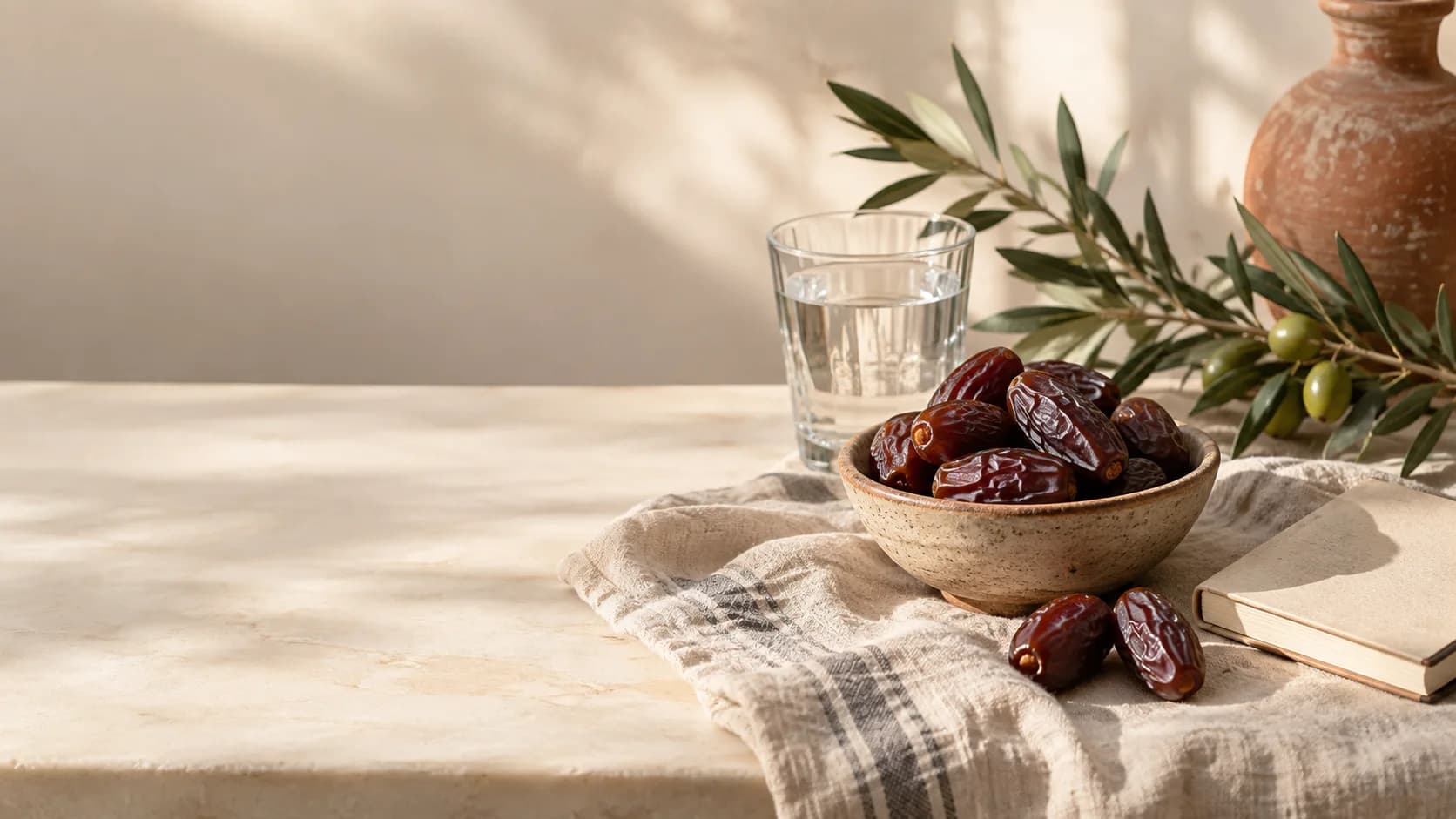
Could you be calling something halal without knowing the ruling?
What to Do If You Accidentally Did Something Haram
Islamic ethics distinguish between deliberate and accidental violations. The Prophet ﷺ taught: "Allah has pardoned my ummah for their mistakes, their forgetfulness, and that which they are coerced into doing" (Ibn Majah 2045). If you unknowingly ate something haram, there is no sin. If you made an error in a financial contract without realizing, the sin rests on those who misled you.
When you deliberately commit something haram, the Islamic path is straightforward: sincere repentance (tawbah). Allah says in Surah Al-Zumar: "O My servants who have transgressed against themselves, do not despair of the mercy of Allah. Indeed, Allah forgives all sins" (39:53). This mercy is one of the most repeated themes in the Quran — available to every Muslim who turns back.
The practice of daily istighfar (seeking forgiveness) is a hedge against the haram we may have committed unknowingly. Making it part of your morning routine through morning adhkar creates a regular habit of returning to Allah.
Common Questions About Haram in Everyday Life
Understanding haram is not just about dramatic prohibitions — most questions arise in ordinary life. Is this food additive halal? Is this type of job permissible? Is this contract structure allowed?
The answer to most of these lies in one of three places: explicit Quran or hadith, the consensus of scholars (ijma), or scholarly analogy (qiyas) applied to new situations. For foods, organizations like Islamic certification bodies have developed detailed standards based on fiqh. For financial products, Islamic finance scholars apply classical principles to modern instruments.
When in doubt, remember the basic rule: if something is clearly labeled or known to be haram, avoid it. If it falls in genuine ambiguity and no harm comes from avoidance, leave it. "The halal is clear and the haram is clear, and between them are doubtful matters" — this well-known hadith from Sahih Bukhari (52) captures the entire framework.
For deeper reading on how Islamic ethics shapes daily life, this guide to adab in Islam and how to build Islamic habits offer practical next steps. The scholars at Yaqeen Institute have also published accessible research on Islamic ethics for modern Muslims.
For guidance grounded in the lived experience of navigating halam and haram in a contemporary context, DemiManifest's perspective on living Islam daily is a thoughtful companion read.
A Feed Worth Scrolling
Swipe through short, scholar-approved Islamic lessons instead of mindless doom-scrolling.
Learn Through Play
Bite-sized lessons, quizzes, levels, and daily streaks make growing your Deen a habit.
Scholar-Approved
Every lesson is rooted in the Quran and authentic Sunnah and reviewed by qualified scholars.
Frequently Asked Questions
What are haram things in Islam?
Haram things in Islam are actions, foods, drinks, and behaviors explicitly forbidden in the Quran and authentic hadith. Major categories include pork, alcohol, riba (interest), zina (fornication), shirk (polytheism), stealing, lying, and backbiting. Avoiding haram is a core expression of taqwa, or God-consciousness, in daily Muslim life.
Is music haram in Islam?
Music's permissibility is a matter of scholarly debate in Islam. The majority scholarly view holds that most instruments are prohibited, especially when paired with immoral content or when it distracts from worship. Nasheeds — vocal-only Islamic songs — are generally considered permissible. Consult a qualified scholar for personal guidance on specific situations.
Is alcohol completely haram or just in large amounts?
Alcohol is completely haram in Islam in any consumable amount. The Quran in Surah Al-Maida (5:90) calls it an abomination from the work of Shaytan. A well-known hadith principle further teaches: whatever intoxicates in large quantities, even a small amount of it is forbidden — there is no permissible threshold for drinking alcohol.
Can a Muslim accidentally consume something haram?
A Muslim who accidentally or unknowingly consumes something haram is not sinful, because Islamic law holds that acts without intention do not carry sin. The Prophet taught that Allah forgives mistakes and forgetfulness. If a Muslim discovers they consumed something haram by mistake, they should stop immediately and seek forgiveness through istighfar.
What is the difference between haram and makruh?
Haram refers to actions clearly forbidden in the Quran or authentic hadith, carrying sin if deliberately performed. Makruh means disliked — actions that are discouraged but not sinful if done. For example, eating with the left hand is makruh, while consuming pork is haram. Understanding this distinction helps Muslims navigate Islamic rulings with clarity rather than anxiety.
Why does Islam have haram prohibitions?
Islamic haram prohibitions protect five essential human interests known as the maqasid al-shariah: life, intellect, lineage, wealth, and religion. Alcohol is forbidden to protect the mind; riba to protect wealth and social justice; zina to protect family. Every prohibition connects to a wisdom rooted in human wellbeing — not arbitrary restriction.
How do I know if something is haram?
Start with the Quran and authenticated hadith — if something is explicitly named as forbidden, it is haram. For items not listed, Islamic scholars apply fiqh principles: the default ruling is permissibility unless evidence forbids it. For personal questions, consult a qualified scholar or use an Islamic knowledge tool like DeenUp that provides Quran-based answers from reliable scholarship.