

- Authors

- Name
- Ahmad
- Role
- Senior Marketing Manager, Islamic education • DeenUp
بِسْمِ اللهِ الرَّحْمٰنِ الرَّحِيْمِ
In the name of God, the Most Gracious, the Most Merciful.
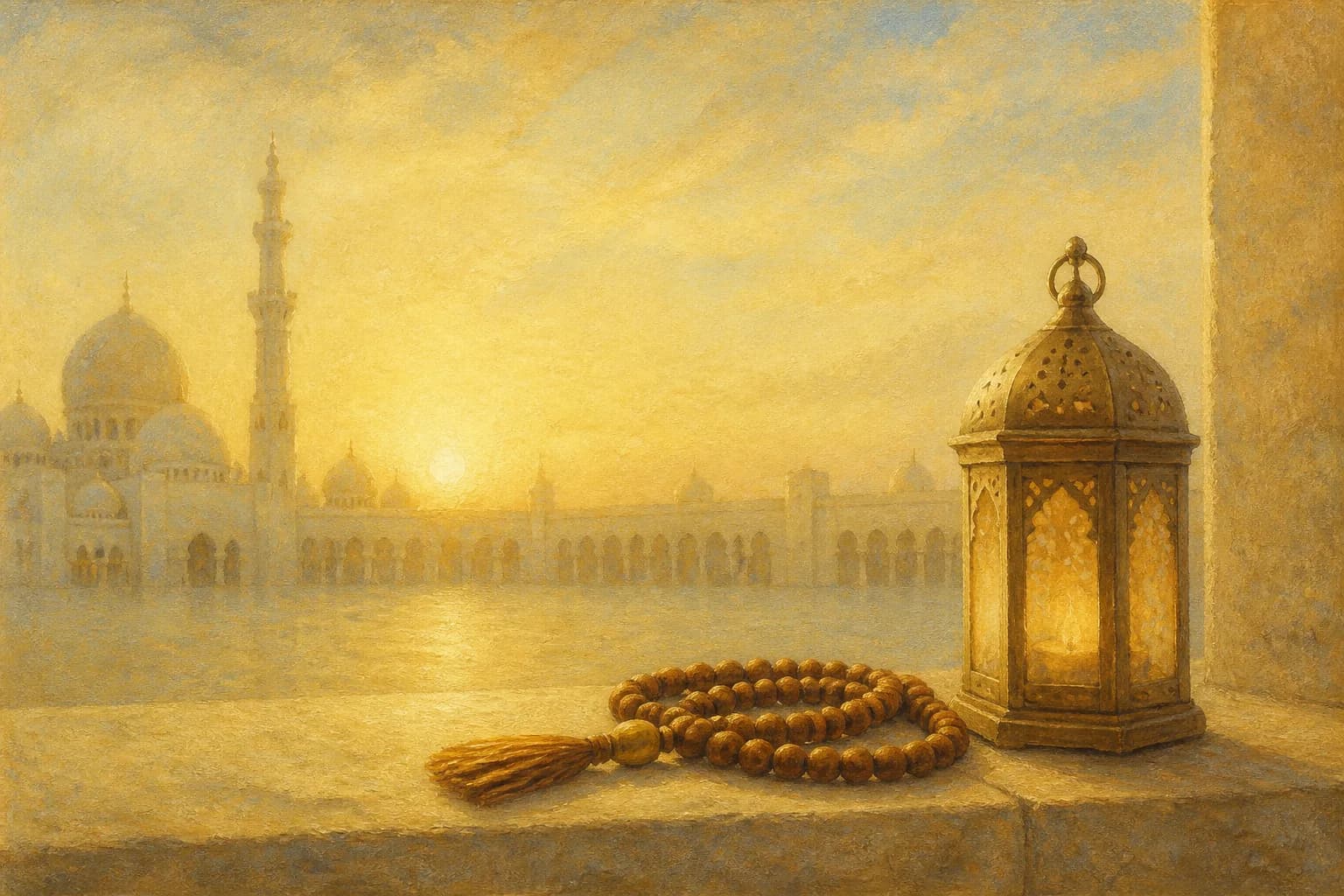

There is something different about Friday mornings. The same alarm rings, the same routine begins — but for millions of Muslims around the world, there is a quiet awareness underneath it all that this day is not like the others. The Prophet ﷺ did not just recommend paying attention to Friday. He said it is the best day the sun has ever risen on.
That weight deserves more than a quick glance. The Friday prayer quotes, duas, and hadith that have come down to us are not decorative wisdom — they are practical signposts for how to spend one of the most spiritually charged days in the Islamic calendar.
What Makes Friday Special in Islam?
Yawm al-Jumu'ah (يَوْمُ الْجُمُعَة) — the Day of Gathering — is described with remarkable specificity in the authentic hadith. The Prophet Muhammad ﷺ said:
"The best day on which the sun rises is Friday. On it Adam was created, on it he was admitted to Paradise, on it he was expelled from it, and the Hour will not be established except on Friday." — (Sahih Muslim 854)
This single hadith places Friday at the hinge points of human history and the hereafter. Creation, paradise, and the Day of Judgment all connect to it. Understanding the full significance of Friday in Islam helps every Muslim approach Jummah with the reverence it deserves — not as a routine midweek prayer but as a weekly spiritual landmark.
What Does the Quran Say About Jummah?
The Quran dedicates an entire surah — Surah Al-Jumu'ah — to Friday. The most quoted verse is direct in its instruction:
يَا أَيُّهَا الَّذِينَ آمَنُوا إِذَا نُودِيَ لِلصَّلَاةِ مِن يَوْمِ الْجُمُعَةِ فَاسْعَوْا إِلَى ذِكْرِ اللَّهِ وَذَرُوا الْبَيْعَ
"O you who have believed, when the call is made for prayer on Friday, then proceed to the remembrance of Allah and leave trade." — (Surah Al-Jumu'ah, 62:9)
The command fas'aw — "proceed with haste" — carries urgency. The Quran is not saying "attend if convenient." It is saying that when the adhan for Jummah rings, every competing priority steps aside. The verse ends with a promise: "That is better for you, if you only knew."
For a deeper look at the meaning of Jummah and what it represents, the theological roots go beyond the legal ruling — they trace back to Allah choosing this day as a weekly renewal of covenant between believers and their Lord.
Key Hadith Quotes About Friday Prayer
The Prophet ﷺ spoke often about Friday, and the authentic hadith preserve a rich collection of guidance:
On the virtue of Friday: "Whoever dies on Friday will be protected from the trials of the grave." — (Sunan al-Tirmidhi 1074, graded hasan)
On ghusl before Jummah: "Whoever performs ghusl on Friday like the ghusl for janabah, then goes to the prayer — it is as if he sacrificed a camel." — (Sahih Bukhari, Kitab al-Jumu'ah)
On arriving early: "On Friday, the angels stand at every door of the mosque and record the people as they come in order. The one who comes earliest is like one who has offered a camel; the next like one who has offered a cow; the next like one who has offered a ram — until the imam comes out and the records are closed." — (Sahih Bukhari, Kitab al-Jumu'ah)
On the blessed hour: "On Friday there is a moment when no Muslim stands in prayer and asks Allah for something, except that Allah gives it to him." — (Sahih Muslim 853)
Each of these is a complete invitation. Ghusl, early arrival, specific dua in the blessed hour — the Prophet ﷺ left no vague guidance. He gave a map.
Jummah Practices at a Glance
| Practice | Timing | Evidence |
|---|---|---|
| Ghusl (ritual bath) | Friday morning | Sahih Bukhari (ghusl on Jummah) |
| Wear clean/best clothes | Before Jummah | Sunan Abu Dawud (Friday dress) |
| Arrive early to the masjid | Well before khutbah | Sahih Bukhari (Jummah reward by arrival) |
| Recite Surah Al-Kahf | Thursday night or Friday | Al-Hakim, Sahih |
| Increase salawat on the Prophet | Throughout the day | Sunan Abu Dawud 1047 |
| Make dua in the blessed hour | After Asr until Maghrib | Sahih Muslim 853 |
| Give sadaqah | During the day | Supported by general Friday virtue |
The Dua of Salawat: A Friday Essential
The most specific Friday dua in authentic hadith is the salawat — blessings upon the Prophet ﷺ. The Prophet said: "Increase in sending prayers upon me on Friday, for your prayers are presented to me on that day" — narrated in Sunan Abu Dawud 1047.
The standard form of salawat:
اللَّهُمَّ صَلِّ عَلَى مُحَمَّدٍ وَعَلَى آلِ مُحَمَّدٍ
Allahumma salli 'ala Muhammadin wa 'ala ali Muhammad
"O Allah, send blessings upon Muhammad and the family of Muhammad."
Many Muslims aim to say this at least 100 times on Fridays — in the car, between tasks, while cooking. It requires no special preparation and earns the Prophet's intercession.
For a broader collection of duas to read after salah that pair well with Friday worship, see our dedicated guide. Building the habit of reciting your daily adhkar using a tool like DeenUp means you never miss these opportunities.

Keep learning your deen with short, sourced lessons in DeenUp.
The Surah Al-Kahf Tradition
Among all the weekly practices associated with Friday, reciting Surah Al-Kahf stands out for the specificity of its reward. Al-Hakim narrated, graded sahih, that the Prophet ﷺ said: "Whoever reads Surah Al-Kahf on Friday, a light will shine for him between this Friday and the next."
The surah is 110 verses — manageable in one sitting, and scholars note it covers four stories relevant to the deepest trials of faith: the youth in the cave, the man with two gardens, Musa and al-Khidr, and Dhul-Qarnayn. Reading it weekly is not just a spiritual practice; it is an ongoing education in patience, gratitude, and God-consciousness.
Many Muslims start Surah Al-Kahf on Thursday night after Maghrib, or read it on Friday morning before heading to the masjid. Building this into a consistent Quran reading routine transforms Jummah from a single prayer into a full day of intentional worship.
How to Maximize the Blessed Hour
The moment of accepted dua on Friday is one of the most sought-after openings in the Islamic week. Scholars differ slightly on its exact timing, but the two strongest opinions are:
- The last hour before Maghrib on Friday (i.e., after Asr, until the sun sets) — this is the opinion of many later scholars
- The period during the khutbah when the imam sits between the two sermons — based on a specific narration from Abdullah ibn Salam (RA) reported in Sunan Ibn Majah 1139
Practically: if you are not at the masjid after Jummah, make it a habit to sit in a clean place after Asr every Friday, turn your phone to silent, and make sincere, specific dua. Name what you need. Thank Allah for what you have. Ask for what your family needs. The door is open.
For inspiration on making your khushoo (concentration) in salah deeper — especially on Fridays — that article walks through practical techniques that transform prayer from a routine into a genuine conversation with Allah.
A reflection from DeenBack on building evening salah routines and DemiManifest's guide to mindful prayer both offer perspectives that complement the Friday worship habits discussed here.
Making Jummah a Weekly Reset
The Prophet ﷺ described the five daily prayers and the two consecutive Jummah prayers as an expiation for the sins committed in between — as long as major sins are avoided (Sahih Muslim 233). This means that every single Friday is an offered reset.
Many Muslims who struggle with consistency in worship find that anchoring their week to Jummah helps everything else. When Friday is treated as a spiritual landmark — with its ghusl, early arrival, Surah Al-Kahf, salawat, and blessed-hour dua — the whole week around it begins to orient itself differently.
Track your Friday practices, set reminders for your blessed-hour dua, and access daily Quranic verses through DeenUp to carry that Friday energy across the whole week.
DeenUp's Yaqeen Institute resource library also features scholarly articles on maximizing Friday for Muslim communities navigating modern schedules.
Keep learning your deen with short, sourced lessons in DeenUp.
Frequently Asked Questions
What does Islam say about Friday prayer (Jummah)?
Jummah is the most blessed prayer of the week. The Quran commands in Surah Al-Jumu'ah (62:9): when the call for prayer is made on Friday, rush to the remembrance of Allah. Friday prayer is obligatory for adult Muslim men, replacing the Dhuhr prayer, and is among the most virtuous congregational acts in Islam.
What is the best quote about Friday in Islam?
The Prophet Muhammad said: The best day on which the sun rises is Friday; on this day Adam was created, he was admitted to Paradise, and he was removed from it. The Hour will not be established except on a Friday (Sahih Muslim 854). This hadith shows that Friday carries profound cosmic significance in Islamic belief.
What are good duas to recite on Friday?
Key duas for Friday include abundant salawat on the Prophet: Allahumma salli ala Muhammad. The Prophet taught that salawat are presented to him on Fridays. Reciting Surah Al-Kahf is also highly recommended — it brings spiritual light between two Fridays. Making sincere personal dua after Asr is particularly encouraged due to the blessed hour.
Is there a special blessed hour on Friday?
Yes. The Prophet mentioned a special moment on Friday when any sincere dua is accepted by Allah (Sahih Muslim 853). Scholars hold the strongest opinion that this is the last hour before Maghrib — after Asr — or the period during the khutbah. Many Muslims use this time to sit with hands raised and make heartfelt personal supplication.
What is the virtue of reciting Surah Al-Kahf on Friday?
The Prophet taught that whoever reads Surah Al-Kahf on Friday will have a light illuminating the space between the two Fridays (narrated by Al-Hakim, graded sahih). This spiritual light represents guidance and protection from fitnah. Many Muslims make reading Surah Al-Kahf a weekly practice, completing it on Thursday night or Friday before Jummah.
Why is Friday called the master of days in Islam?
Friday (Yawm al-Jumu'ah) is called the master of days because of its unique cosmic significance in Islamic belief: Adam was created on it, he entered and was removed from Paradise on it, and the Day of Judgment will occur on it (Sahih Muslim 854). Its spiritual magnitude means acts of worship on Friday carry amplified reward.
How can I make my Friday spiritually meaningful?
Structure your Friday with these practices: perform ghusl early in the morning, wear clean clothes, arrive at the masjid before the khutbah, recite Surah Al-Kahf, increase salawat on the Prophet throughout the day, make dua after Asr in the blessed hour, and give sadaqah. Each of these is supported by authentic hadith and multiplies the spiritual value of your Friday.