

- Authors

- Name
- Ahmad
- Role
- Senior Marketing Manager, Islamic education • DeenUp
بِسْمِ اللهِ الرَّحْمٰنِ الرَّحِيْمِ
In the name of God, the Most Gracious, the Most Merciful.
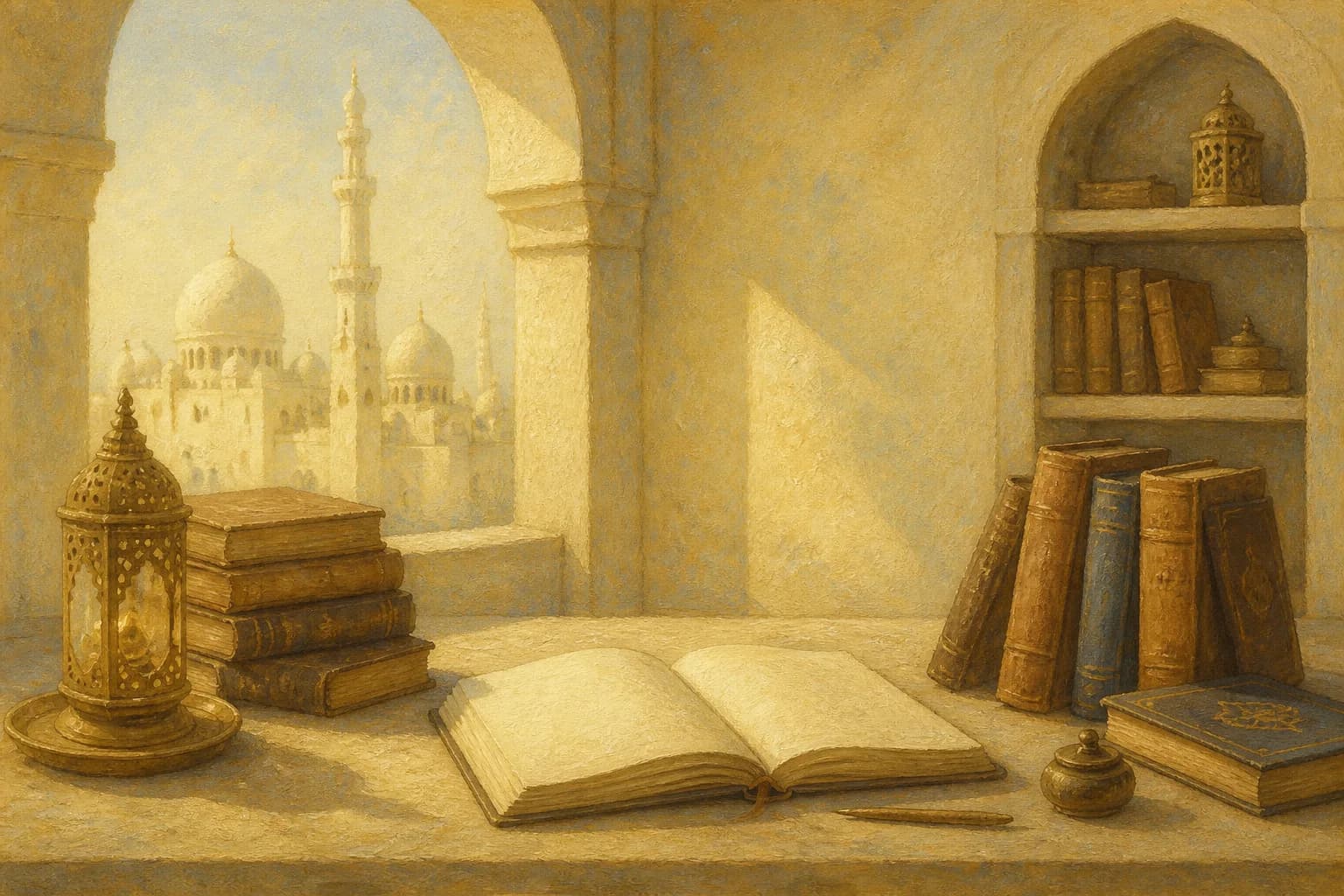

Islam is not just a religion practiced on Fridays or during Ramadan. It is a deen — a complete way of life that covers how you wake up in the morning, how you treat your family, how you do business, and how you prepare for death. This is one of the most beautiful and misunderstood aspects of Islam: it is a total framework for living well, in this world and the next.
What Is the Muslim Way of Life?
The Muslim way of life is a comprehensive commitment to Allah that encompasses every dimension of human existence — worship, character, relationships, livelihood, and purpose. The Arabic word deen (دين) is often translated as "religion," but it more accurately means "a way, a path, or a system of life." Allah declares in the Quran: "Indeed, the religion approved by Allah is Islam" (Surah Al Imran, 3:19). This means that Islam is not a Sunday practice but a living orientation toward Allah at every moment.
The core of this way of life is tawheed — the absolute oneness of Allah. Every Islamic practice flows from this: prayer is directed to Allah alone, character is shaped by His guidance, and decisions are weighed against what pleases Him.
The Five Pillars: Foundation of Muslim Life
The Five Pillars of Islam are not merely religious duties — they are the structural framework of a Muslim's daily and yearly life. Together they ensure that a Muslim lives in constant remembrance of Allah, in connection with the community, and in gratitude for blessings received.
| Pillar | Arabic | Meaning | How It Shapes Life |
|---|---|---|---|
| Shahada | الشهادة | Declaration of faith | Declares Allah's oneness as the starting point of identity |
| Salah | الصلاة | Five daily prayers | Structures each day around remembrance of Allah |
| Zakat | الزكاة | Obligatory charity (2.5% on savings) | Purifies wealth and connects to the poor |
| Sawm | الصوم | Fasting in Ramadan | Builds self-discipline, gratitude, and God-consciousness |
| Hajj | الحج | Pilgrimage to Mecca | Once in a lifetime (for those able) — unity of the ummah |
For a deeper look at why these pillars matter, read our guide on the purpose of the Five Pillars of Islam.
Daily Habits That Sustain Islamic Life
The Quran commands: "O you who have believed, enter into Islam completely and do not follow the footsteps of Satan" (Surah Al-Baqarah, 2:208). This full entry into Islam happens through daily habits that keep a Muslim anchored in faith.
Salah: The Anchor of Every Day
The five daily prayers — Fajr, Dhuhr, Asr, Maghrib, and Isha — punctuate each day with direct communication with Allah. The Prophet ﷺ described salah as "the pillar of the deen" (Sunan al-Bayhaqi). Missing or rushing prayers erodes the foundation of Muslim life; protecting them strengthens everything else.
For practical guidance on perfecting your prayer, see our guide on how to improve concentration in salah.
Morning and Evening Adhkar
The Sunnah teaches specific remembrances for morning and evening — dhikr that seek Allah's protection, express gratitude, and reconnect the heart before the day begins and as it ends. These take just five to ten minutes but have an enormous effect on maintaining spiritual focus throughout busy days.
Explore a complete list of morning adhkar in Islam and evening adhkar to add them to your routine.
Quran as Daily Nourishment
The Muslim way of life treats the Quran not as a book for special occasions but as daily guidance. The Prophet ﷺ said: "The best of you are those who learn the Quran and teach it" (Sahih al-Bukhari 5027). Even reading a single page or reflecting on one verse each day builds a deep, living relationship with Allah's word.
Check out our guide on the benefits of reading Quran daily.
Islamic Character: Akhlaq at the Heart of Muslim Life
Character (خُلُق, akhlaq) is not separate from worship in Islam — it is an expression of it. The Prophet Muhammad ﷺ said: "I was only sent to perfect good character" (Muwatta of Imam Malik, 2/907). This means that how a Muslim treats people — their honesty in business, their patience with family, their kindness to strangers — is as much an act of worship as prayer.
Core character traits in Islam include:
- Sidq (صِدْق) — truthfulness in all dealings
- Sabr (صَبْر) — patience in hardship and ease
- Tawadu (تَوَاضُع) — humility before Allah and people
- Rahmah (رَحْمَة) — compassion and mercy
The Quran says: "Whoever does good, whether male or female, and is a believer, We will certainly grant him a good life" (Surah An-Nahl, 16:97). Good character is the path to a truly good life in Islam.
For the importance of intention behind all action, see the importance of niyyah in Islam.
How Does a Muslim Balance Dunya and Akhirah?
One of the most practical challenges in Muslim life is balancing this world (الدنيا, dunya) with the next (الآخرة, akhirah). Islam is not a religion of withdrawal from the world — it is a religion of purposeful engagement with it.
The Prophet ﷺ taught: "Work for your worldly life as if you live forever, and work for your akhirah as if you die tomorrow" (attributed in classical sources). This means working hard, building a career, and enjoying lawful pleasures — while always keeping an eye on what endures.
Practically, this balance looks like:
- Earning halal — avoiding interest (riba), deception, and forbidden income
- Giving sadaqah — not hoarding wealth but sharing it generously
- Managing time wisely — the Prophet ﷺ said that two blessings people are cheated of are health and free time (Sahih al-Bukhari 6412)
- Surrounding yourself with good companions — "A man is on the religion of his close friend" (Abu Dawud 4833)
Still searching for a clear Islamic answer?
Explore sourced answers rooted in the Quran, authentic hadith, and respected scholarship—without getting lost in conflicting search results.
Take the Islam Quiz
Practical Steps to Live the Muslim Way of Life
If you want to strengthen your Islamic lifestyle, begin with what is closest to the Pillars:
- Protect your five daily prayers — on time, every day, with focus
- Recite morning and evening adhkar — the prophetic antidote to anxiety and distraction
- Read Quran daily — even five minutes with meaning and reflection
- Make your income halal — review any financial dealings for what pleases Allah
- Purify your intentions (niyyah) — before any significant action, ask: why am I doing this?
A beautiful dua to keep in mind daily is:
اللَّهُمَّ أَعِنِّي عَلَى ذِكْرِكَ وَشُكْرِكَ وَحُسْنِ عِبَادَتِكَ
"O Allah, help me to remember You, thank You, and worship You well." — (Abu Dawud 1522, Sahih)
This dua, taught by the Prophet ﷺ to Mu'adh ibn Jabal, is a daily reminder of what Muslim life is about: remembrance, gratitude, and excellent worship.
What Scholars and the Quran Say
The Quran describes Islam as the complete and perfected way of life: "Today I have completed your religion for you, and have bestowed upon you My favour in full measure, and have chosen Islam as your religion" (Surah Al-Ma'idah, 5:3). This was revealed during the Farewell Pilgrimage, sealing the guidance that the Prophet ﷺ brought.
Contemporary scholars at the Yaqeen Institute for Islamic Research emphasize that Muslim identity is both personal and communal — rooted in the heart's relationship with Allah and expressed outward through how one serves the ummah.
Signs of a Healthy Islamic Lifestyle
You know your Islamic life is growing when:
- You look forward to salah rather than treating it as a burden
- You feel uncomfortable with haram even when no one is watching
- Your first response to difficulty is dua, not panic
- Generosity comes naturally and feels good, not reluctant
- You want for others what you want for yourself (Sahih al-Bukhari 13)
This is taqwa — the God-consciousness that the Quran names as the highest rank before Allah (Surah Al-Hujurat, 49:13). Explore what taqwa means in Islam and how to cultivate it daily.
Conclusion
The Muslim way of life is not a burden — it is a gift. It gives every moment meaning, every relationship a framework, and every struggle a purpose. The Prophet ﷺ said: "Religion is easy, and no one makes it too strict except it overwhelms them" (Sahih al-Bukhari 39). Start where you are. Pray your prayers. Say your adhkar. Read a verse. Be honest. Be kind.
That is the Muslim way of life.
Still searching for a clear Islamic answer?
Explore sourced answers rooted in the Quran, authentic hadith, and respected scholarship—without getting lost in conflicting search results.
Take the Islam QuizFrequently Asked Questions
What does it mean to live as a Muslim?
Living as a Muslim means submitting to Allah in every aspect of life — worship, ethics, relationships, and daily routines. It centers on the Five Pillars (shahada, salah, zakat, sawm, and hajj) but extends to character, honesty, and keeping Allah at the center of all decisions.
What are the Five Pillars of Islam and why do they matter?
The Five Pillars are the foundation of Muslim practice: shahada (declaration of faith), salah (five daily prayers), zakat (obligatory charity), sawm (fasting in Ramadan), and hajj (pilgrimage for those able). Together they structure a life of constant remembrance of Allah and service to the community.
How does Islam balance dunya and akhirah?
Islam teaches that the dunya (worldly life) is a temporary test, while the akhirah (hereafter) is the permanent destination. A Muslim balances both by fulfilling worldly responsibilities with excellence and integrity — earning lawfully, serving family, and contributing to society — while keeping intentions aligned with Allah's pleasure.
What role does character play in the Muslim way of life?
Character (akhlaq) is central to Islamic life. The Prophet Muhammad said he was sent to perfect good character. Islam emphasizes honesty, humility, generosity, patience, and justice in all relationships — with family, neighbors, and strangers. Good character is both worship and service to humanity in Islamic teaching.
How can I build consistent Islamic daily habits?
Start with consistency in the Five Pillars, especially salah five times daily. Add morning and evening adhkar for daily remembrance, read Quran regularly even if just a few verses, give sadaqah when able, and reflect on intentions before actions. Small habits done consistently over time build a strong Islamic lifestyle.
Is Islam only about rules and rituals?
Islam is far more than rules and rituals. It is a comprehensive way of life (deen) that covers spiritual growth, ethical conduct, family relationships, business dealings, and social responsibility. The Quran describes Islam as the natural disposition (fitrah) of humanity — a framework that helps people live with purpose, justice, and peace.
What is the concept of niyyah in the Muslim way of life?
Niyyah (intention) is foundational to Islamic practice. The Prophet Muhammad taught that actions are judged by intentions (Sahih al-Bukhari 1). This means everyday acts — working, eating, helping others — become worship when done with a sincere intention to please Allah. Niyyah transforms mundane life into constant connection with Allah.