

- Authors

- Name
- Ahmad
- Role
- Senior Marketing Manager, Islamic education • DeenUp
بِسْمِ اللهِ الرَّحْمٰنِ الرَّحِيْمِ
In the name of God, the Most Gracious, the Most Merciful.
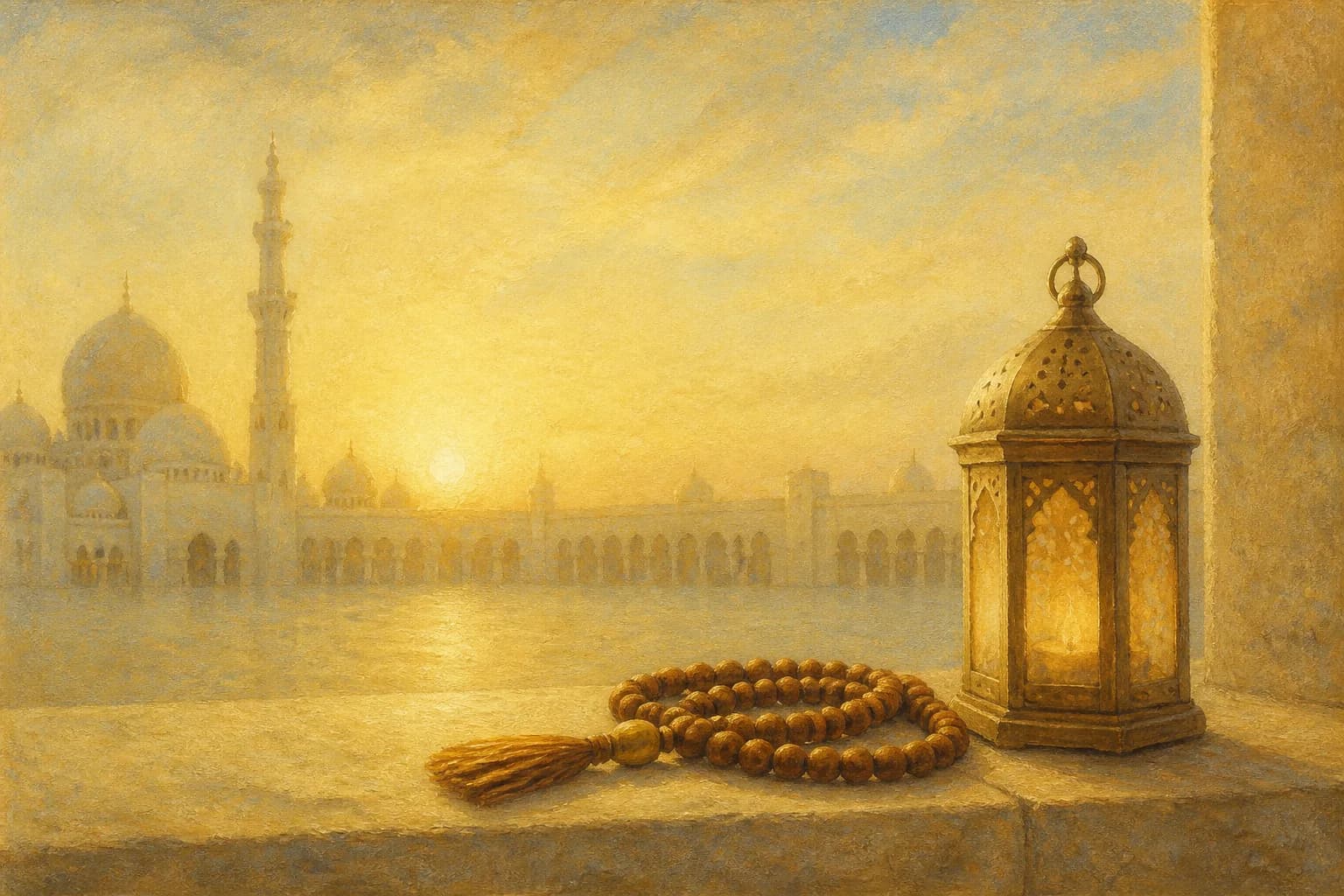

There is a specific quiet that belongs to the post-Fajr hour. The night has just ended, the city has not fully started, and for a few minutes you are still between the two. The Prophet ﷺ described this time as uniquely blessed — a window when the angels of the night and day meet, when the gates of heaven are open, and when remembrance carries a weight it does not carry at other times.
The adhkar al-sabah (أذكار الصباح) — the morning remembrances — are the collection of supplications, Quranic passages, and phrases of praise that the Prophet ﷺ prescribed for this exact window. They are not a single dua but a curated liturgy: a structured way of beginning the day with Allah's name, seeking protection, expressing gratitude, and placing the hours ahead under divine care.
This guide covers every authentic adhkar in the morning collection, with Arabic text, transliteration, count, and source, so you have everything you need to start — or deepen — your practice.
What Are Adhkar al-Sabah?
Adhkar al-sabah is the complete set of morning remembrances prescribed by the Prophet ﷺ and compiled by scholars of hadith. They are recited after Fajr prayer and before sunrise, typically taking between 10 and 15 minutes. The collection includes Ayatul Kursi, Surah Al-Ikhlas and Al-Mu'awwidhatayn recited three times each, Sayyidul Istighfar, the 100-times tasbih, and the opening supplication that begins the day by acknowledging Allah as its source. Together, they function as a daily renewal — a reset that orients the heart before the distractions of the day begin. Unlike an informal morning dua, the adhkar al-sabah has specific wording, counts, and hadith-verified rewards for each element.
The Opening Dua: Greeting the Morning
The collection begins with acknowledging who gave you this morning:
اللَّهُمَّ بِكَ أَصْبَحْنَا وَبِكَ أَمْسَيْنَا وَبِكَ نَحْيَا وَبِكَ نَمُوتُ وَإِلَيْكَ النُّشُورُ
Allahumma bika asbahna wa bika amsayna wa bika nahya wa bika namutu wa ilaikan nushur
"O Allah, by You we have reached the morning and by You we reach the evening, by You we live and by You we die, and to You is the resurrection."
— (Abu Dawud 5068)
This is recited once in the morning. Its evening counterpart replaces asbahna with amsayna and nushur with masir. The dua does not ask for anything specific — it simply orients the day correctly, placing every hour between this morning and the resurrection in Allah's hands.
Ayatul Kursi: The Throne Verse
اللَّهُ لَا إِلَٰهَ إِلَّا هُوَ الْحَيُّ الْقَيُّومُ...
(Surah Al-Baqarah, 2:255 — recited in full)
Recited once. The Prophet ﷺ said: "Whoever recites Ayatul Kursi after every obligatory prayer, nothing will prevent him from entering Paradise except death" (Sahih al-Bukhari 2981, al-Nasa'i 9928). After Fajr — the first prayer of the day — this protection is especially significant. Read the full Arabic at quran.com/2/255.
The Three Quls: Protection Through the Morning
قُلْ هُوَ اللَّهُ أَحَدٌ... قُلْ أَعُوذُ بِرَبِّ الْفَلَقِ... قُلْ أَعُوذُ بِرَبِّ النَّاسِ...
(Surah Al-Ikhlas, Al-Falaq, An-Nas — each recited 3 times)
The Prophet ﷺ said: "Reciting Qul huwallahu ahad and Al-Mu'awwidhatayn three times in the morning and evening will suffice you against everything" (Abu Dawud 5082; Tirmidhi 3575). These three short surahs address every category of harm: the jealous eye, whispered temptation, and the invisible world. Three times in the morning, three times in the evening. It takes under two minutes.
Sayyidul Istighfar: The Master Forgiveness
اللَّهُمَّ أَنْتَ رَبِّي لَا إِلَهَ إِلَّا أَنْتَ خَلَقْتَنِي وَأَنَا عَبْدُكَ وَأَنَا عَلَى عَهْدِكَ وَوَعْدِكَ مَا اسْتَطَعْتُ أَعُوذُ بِكَ مِنْ شَرِّ مَا صَنَعْتُ أَبُوءُ لَكَ بِنِعْمَتِكَ عَلَيَّ وَأَبُوءُ بِذَنْبِي فَاغْفِرْ لِي فَإِنَّهُ لَا يَغْفِرُ الذُّنُوبَ إِلَّا أَنْتَ
Allahumma anta rabbi la ilaha illa anta, khalaqtani wa ana abduka, wa ana ala ahdika wa wa'dika mastata'tu, a'udhu bika min sharri ma sana'tu, abuulaka bini'matika alayya wa abuulaka bidhanbee, faghfir li fa innahu la yaghfiru dhunuba illa anta
"O Allah, You are my Lord; there is no god but You. You created me and I am Your servant. I am bound to Your covenant and Your promise as much as I am able. I seek refuge in You from the evil of what I have done. I acknowledge Your favor upon me and I acknowledge my sin, so forgive me, for indeed none forgives sins except You."
— (Sahih al-Bukhari 6306)
Recited once. The Prophet ﷺ said: "Whoever says this with certainty in the morning and then dies before evening is from the people of Paradise" (Sahih al-Bukhari 6306). Among all the morning adhkar, Sayyidul Istighfar is the one that asks for forgiveness directly — making it a daily act of repentance that clears the slate before the new day truly begins.
Do you feel your duas are unanswered?
Have you read the dua properly? Learn authentic duas, understand their meanings, and call upon Allah with greater confidence through DeenUp.
Take the Dua Quiz
Subhanallahi wa Bihamdih: 100 Times
سُبْحَانَ اللَّهِ وَبِحَمْدِهِ
Subhanallahi wa bihamdih
"Glory be to Allah and by His praise."
Recited 100 times. The Prophet ﷺ said: "Whoever says Subhanallahi wa bihamdih one hundred times in the morning and evening will have his sins forgiven even if they were like the foam of the sea" (Sahih Muslim 2692). This is the highest-count adhkar in the morning collection and takes about three to four minutes when said at a measured pace. It can be tracked on prayer beads (tasbih) or on the fingers as the Sunnah demonstrates.
Tahlil: 100 Times for the Day's Protection
لَا إِلَهَ إِلَّا اللَّهُ وَحْدَهُ لَا شَرِيكَ لَهُ لَهُ الْمُلْكُ وَلَهُ الْحَمْدُ وَهُوَ عَلَى كُلِّ شَيْءٍ قَدِيرٌ
La ilaha illallahu wahdahu la sharika lah, lahul mulku wa lahul hamdu wa huwa ala kulli shay'in qadir
"There is no god but Allah, alone, with no partner. His is the dominion and His is the praise, and He has power over all things."
Recited 100 times. The Prophet ﷺ said: "Whoever says this one hundred times in a day will have the reward equivalent to freeing ten slaves, one hundred good deeds written for him, one hundred sins erased, and a shield against Shaytan for the rest of that day" (Sahih al-Bukhari 6403). The full chain and text are preserved on sunnah.com.
For those who also maintain dhikr after each salah, the evening counterpart of these adhkar — known as adhkar al-masa — mirrors this collection with slight wording adjustments, as detailed in the evening adhkar guide.
Quick Reference: Complete Adhkar al-Sabah
| Dhikr | Count | Source | Key Reward |
|---|---|---|---|
| Opening dua (Allahumma bika asbahna...) | 1x | Abu Dawud 5068 | Orients the day toward Allah |
| Ayatul Kursi (Surah Al-Baqarah 2:255) | 1x | Sahih al-Bukhari 2981 | Protection; path to Paradise |
| Al-Ikhlas, Al-Falaq, An-Nas | 3x each | Abu Dawud 5082 | Sufficiency from all harm |
| Sayyidul Istighfar | 1x | Sahih al-Bukhari 6306 | Forgiveness; people of Paradise |
| Subhanallahi wa bihamdih | 100x | Sahih Muslim 2692 | Sins forgiven though like sea foam |
| La ilaha illallahu wahdahu... | 100x | Sahih al-Bukhari 6403 | 10 slaves freed in reward; Shaytan's shield |
How to Build the Habit
The most common reason people abandon adhkar al-sabah is trying to start with the complete collection on day one. If the full liturgy takes 15 minutes and your Fajr routine is already rushed, adding 15 minutes will not stick.
A better approach:
- Week 1: Add only Sayyidul Istighfar and Ayatul Kursi after Fajr — two minutes total
- Week 2: Add the three Quls (three times each) — four more minutes
- Week 3: Add the 100-times Subhanallahi wa bihamdih — start with 33 if 100 feels long
- Week 4+: Add the opening dua and the 100-times tahlil to complete the collection
The goal is that the habit survives the mornings when you are tired, late, or distracted. A short, consistent adhkar practice outperforms a long, sporadic one every time. Ibn al-Qayyim wrote that the heart is like a mirror — the morning adhkar is what polishes it for the day ahead.
For those building a full morning practice, pairing these adhkar with the after-Fajr duas and the adhkar before sleeping creates a bookend rhythm that shapes both ends of the day. The morning adhkar in Islam guide covers the broader Islamic framework for morning worship.
Two perspectives on structuring an Islamic morning routine worth reading: this reflection on morning spiritual habits from DeenBack and this post on adhkar al-sabah practice from Demi Manifest, which covers common mistakes beginners make.
Signs Your Morning Adhkar Is Working
Growth in dhikr is subtle but real. You might notice:
- A calmer response to stressful situations during the day
- A sense of being "settled" before difficult conversations
- Returning to Allah more naturally when things go wrong
- A greater ease in remembering Allah throughout the day
These are not signs of extraordinary piety — they are the ordinary fruit of consistent remembrance. The Prophet ﷺ said: "Shall I not tell you of the best of your deeds... the purest of them in the sight of your King, which raises your ranks the most, and is better for you than spending gold and silver, and better than meeting your enemies and striking their necks?" The companions said yes. He ﷺ said: "The remembrance of Allah" (Tirmidhi 3377).
The adhkar al-sabah are not a superstition or a ritual formality. They are 10 to 15 minutes of standing before Allah at the beginning of every day and saying: You are my Lord. I acknowledge my sins. I trust You with today.
Do you feel your duas are unanswered?
Have you read the dua properly? Learn authentic duas, understand their meanings, and call upon Allah with greater confidence through DeenUp.
Take the Dua QuizFrequently Asked Questions
What are adhkar al-sabah?
Adhkar al-sabah are the morning remembrances — a collection of specific supplications, Quranic verses, and phrases of praise prescribed by the Prophet for recitation after Fajr prayer. They include Ayatul Kursi, the three Quls, Sayyidul Istighfar, tasbih, and the opening dua. Together they take 10 to 15 minutes and are considered highly rewarding acts of worship.
When should adhkar al-sabah be read?
Adhkar al-sabah are read after Fajr prayer and ideally completed before sunrise. Some scholars extend the window to Duha time (mid-morning). The post-Fajr period is called the blessed time — the Prophet said its blessings are witnessed by the angels of the night and day who meet at that hour (Sahih al-Bukhari 555).
What is the minimum morning adhkar I should do?
The most essential morning adhkar are: Ayatul Kursi once, Surah Al-Ikhlas and Al-Mu'awwidhatayn (Al-Falaq and An-Nas) three times each, and the opening dua Allahumma bika asbahna. Even just one of these is better than none. Start small and build gradually rather than attempting the full collection and abandoning it after a week.
What is Sayyidul Istighfar and why is it in morning adhkar?
Sayyidul Istighfar is the master supplication for forgiveness. The Prophet said: Whoever recites it with certainty in the morning and then dies before evening is from the people of Paradise (Sahih al-Bukhari 6306). It begins with Allahumma anta Rabbi la ilaha illa anta and acknowledges sinfulness while affirming trust in Allah. It takes about 30 seconds to recite.
Can I read adhkar al-sabah after sunrise if I missed them?
Yes. If you sleep past sunrise or miss your adhkar after Fajr, recite them when you wake or when you remember. Scholars differ on whether the full reward applies outside the designated time, but making them up is better than skipping entirely. Ibn al-Qayyim noted that keeping the habit of morning adhkar — even if delayed — is a sign of a sound heart.
Is there a reward specifically tied to morning adhkar?
Yes. The Prophet said: Whoever recites Subhanallahi wa bihamdih one hundred times in the morning and evening will have his sins forgiven even if they are like the foam of the sea (Sahih Muslim 2692). Morning adhkar as a whole are described as a shield and a fortress — protection from Shaytan and harm throughout the day.
Do I need to be in a state of wudu to recite morning adhkar?
Wudu is not required for dhikr or dua. Reciting morning adhkar is valid without ritual purity. However, since most people perform adhkar al-sabah directly after Fajr prayer — for which wudu is required — they are naturally in a state of purity. If you need to renew wudu before Fajr, the dua for wudu itself is a good starting point for your morning routine.