

- Authors

- Name
- Ahmad
- Role
- Senior Marketing Manager, Islamic education • DeenUp
بِسْمِ اللهِ الرَّحْمٰنِ الرَّحِيْمِ
In the name of God, the Most Gracious, the Most Merciful.

Quick answer
What is the best dua to overcome anxiety in Islam?
One of the most recommended duas for overcoming anxiety is: 'Allahumma inni a'udhu bika min al-hamm wal-huzn, wal-'ajzi wal-kasal, wal-bukhli wal-jubn, wa dala'id-dayn wa ghalabatir-rijal' (Sahih al-Bukhari 6369). This supplication from the Prophet Muhammad (peace be upon him) asks Allah for protection from grief, worry, weakness, laziness, cowardice, and debt.
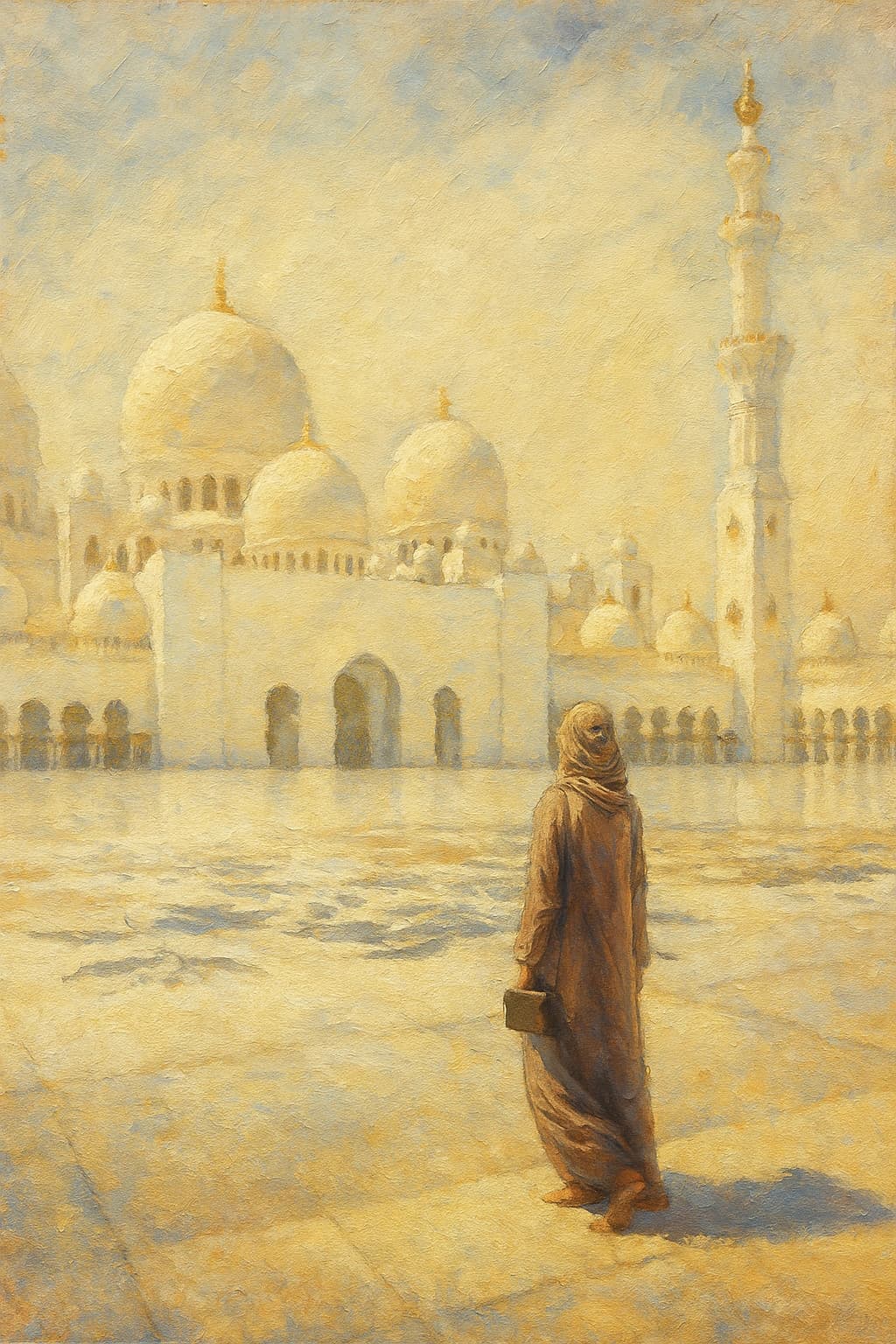
Anxiety does not announce itself politely. It arrives in the chest before you have words for it — a tightening, a spiral of "what ifs," a sense of being overwhelmed by things you cannot control. For Muslims, this is not a sign of weak faith. The Prophet ﷺ himself taught specific duas for this exact experience, acknowledging that worry and grief are part of being human.
What Islam offers is not a promise that anxiety will never come. It offers something more lasting: a direct line to the One who controls everything you are anxious about.
What Is the Dua to Overcome Anxiety in Islam?
The most comprehensive prophetic dua for overcoming anxiety comes from Sahih al-Bukhari (6369), where the Prophet ﷺ used to say when distressed:
اللَّهُمَّ إِنِّي أَعُوذُ بِكَ مِنَ الْهَمِّ وَالْحَزَنِ، وَالْعَجْزِ وَالْكَسَلِ، وَالْبُخْلِ وَالْجُبْنِ، وَضَلَعِ الدَّيْنِ وَغَلَبَةِ الرِّجَالِ
Allahumma inni a'udhu bika min al-hamm wal-huzn, wal-'ajzi wal-kasal, wal-bukhli wal-jubn, wa dala'id-dayn wa ghalabatir-rijal
"O Allah, I seek refuge in You from worry and grief, from incapacity and laziness, from miserliness and cowardice, from the burden of debt and from being overpowered by men."
— (Sahih al-Bukhari 6369)
This supplication is striking for its comprehensiveness: it covers the internal (worry, grief, cowardice) and external (debt, being overpowered) sources of anxiety that any person might face — across cultures and centuries.
The Dua of Yunus: When You Feel Trapped
The Prophet Yunus (Jonah) عليه السلام called out from inside the whale — the ultimate experience of feeling trapped with no way out:
لَّا إِلَٰهَ إِلَّا أَنتَ سُبْحَانَكَ إِنِّي كُنتُ مِنَ الظَّالِمِينَ
La ilaha illa anta, subhanaka, inni kuntu min adh-dhalimin
"There is no god but You, glory be to You, indeed I have been of the wrongdoers."
The Prophet ﷺ said: "No Muslim ever supplicates with it for anything, but Allah will respond to him." (Tirmidhi 3505, graded hasan). The power of this dua lies in its structure: it begins with tawhid (declaring Allah's oneness), moves to tasbih (declaring His perfection), and ends with istighfar (acknowledgment of one's own limitation). It moves the heart from panic to perspective.
The Quranic Promise: With Hardship Comes Ease
The Quran speaks directly to the experience of being overwhelmed in Surah Ash-Sharh:
فَإِنَّ مَعَ الْعُسْرِ يُسْرًا إِنَّ مَعَ الْعُسْرِ يُسْرًا
"Indeed, with hardship will be ease. Indeed, with hardship will be ease."
Scholars note that Allah repeated this verse twice in succession, while using the definite article for "hardship" (al-'usr — one specific hardship) but not for "ease" (yusr — ease in an unlimited, indefinite form). This linguistic detail suggests: one hardship, unlimited ease. The Arabic grammar is itself a comfort.
Three More Duas for Anxiety and Distress
| Dua | When to Recite | Source |
|---|---|---|
| La hawla wa la quwwata illa billah — "There is no power or might except through Allah" | Any moment of feeling overwhelmed or helpless | Sahih al-Bukhari 7386 |
| Hasbunallahu wa ni'mal wakil — "Allah is sufficient for us and the best of protectors" | When facing a situation you cannot control | Surah Al-Imran, 3:173; Sahih al-Bukhari 4563 |
| Allahumma rahmataka arju, fa la takilni ila nafsi tarfata 'ayn — "O Allah, I hope for Your mercy, so do not entrust me to myself even for the blink of an eye" | When anxiety about the self or one's own decisions is overwhelming | Abu Dawud 5090 |
Each of these is short enough to recite at any moment — in a meeting, before a difficult conversation, during a sleepless night — without anyone around you knowing. They are both supplication and an instant act of tawakkul (trust in Allah).
The Quran's foundational promise ties it all together:
أَلَا بِذِكْرِ اللَّهِ تَطْمَئِنُّ الْقُلُوبُ
"Verily, in the remembrance of Allah do hearts find rest."
The Connection Between Istighfar and Anxiety Relief
One of the least-known prophetic remedies for anxiety is istighfar — asking Allah for forgiveness. The Prophet ﷺ said: "Whoever makes istighfar regularly, Allah will make for him a way out from every difficulty, and relief from every hardship, and will provide for him from where he does not expect." (Abu Dawud 1518, Ibn Majah 3819).
أَسْتَغْفِرُ اللَّهَ الْعَظِيمَ الَّذِي لَا إِلَهَ إِلَّا هُوَ الْحَيُّ الْقَيُّومُ وَأَتُوبُ إِلَيْهِ
Astaghfirullaha al-'adhim, alladhi la ilaha illa huwa al-hayyu al-qayyum, wa atubu ilayh
"I ask forgiveness from Allah the Almighty, besides Whom there is no deity, the Ever-Living, the Self-Sustaining, and I repent to Him."
Scholars explain the link: often anxiety is connected — consciously or unconsciously — to a sense that something is not right in one's relationship with Allah. Istighfar directly addresses that root. It clears the spiritual weight that can manifest as anxiety.
Making Dua for Anxiety Part of Your Daily Life
The most effective duas are the ones that become habits, not emergency responses used only in crisis. Here is a simple structure:
Morning: Recite the morning adhkar from the Sunnah, which includes the comprehensive "O Allah, I seek refuge in You from anxiety and grief" supplication. This sets an intention of spiritual protection before the day begins.
During difficulty: Keep La hawla wa la quwwata illa billah on your tongue. The Prophet ﷺ described it as one of the treasures of Paradise (Sahih al-Bukhari 7386).
Before sleep: The Dua of Yunus and simple istighfar take under two minutes but create a pattern of returning to Allah at day's end.
During the last third of the night: This is when Allah descends to the lowest heaven and asks: "Who is calling upon Me that I may answer them?" (Sahih al-Bukhari 1145). Waking for even a brief du'a during this time, especially on difficult nights, is profoundly powerful.
Do you feel your duas are unanswered?
Have you read the dua properly? Learn authentic duas, understand their meanings, and call upon Allah with greater confidence through DeenUp.
Take the Dua Quiz
For building the habit of daily dhikr, start with just one supplication per session and add from there. Explore our guides on daily dhikr practice, dhikr after salah, and morning adhkar in Islam.
Signs That Your Dua Practice Is Helping
Dua does not always remove anxiety in an instant. What it reliably does, over time and consistent practice, is shift the relationship your heart has with difficulty. Signs of genuine progress include:
- Reaching for dua naturally in hard moments (not as a last resort)
- A growing sense that your problems are known to Allah, not just to you
- Less rumination — fewer cycles of replaying worries — after making dua
- A quieter conscience: less residual guilt or shame fueling anxiety
- Increased comfort with what you cannot control, rooted in trust (tawakkul)
Surah At-Talaq (65:3) gives the foundational promise:
وَمَن يَتَوَكَّلْ عَلَى اللَّهِ فَهُوَ حَسْبُهُ
"And whoever relies upon Allah — then He is sufficient for him."
Tawakkul is not passivity — it is informed trust: you act, you make dua, and you release the outcome to the One who actually holds it.
Connecting Dua to Practical Steps
Islam has never asked its followers to treat spiritual tools as a substitute for practical action. If anxiety is rooted in a specific problem, dua accompanies real steps:
- Financial anxiety: Make dua while taking concrete steps toward stability; the Prophet ﷺ combined dua with seeking lawful work
- Health anxiety: Seek medical care and make dua for healing — these are complementary, not competing
- Relational anxiety: Make dua for the relationship while taking honest steps to communicate
The dua tradition in Islam is not magical thinking. It is a form of active partnership with Allah — you do your part, and you ask Him to do His.
For more on specific supplications, see our guide on dua for anxiety and the best duas for every situation in life.
Common Questions About Duas for Anxiety
Can I make dua in English if I do not know Arabic? Yes. Dua in one's own language is fully valid and accepted. The Arabic duas from the Quran and Sunnah carry special blessing and are worth learning, but Allah hears and responds to the sincere supplication of every heart in every language. Start in English if that is where you are.
How often should I repeat a dua for anxiety? There is no set number for most general duas. The Quran praises those who remember Allah "standing, sitting, and on their sides" (Surah Al-Imran, 3:191) — meaning constantly. Some specific duas have recommended counts (33 times, 100 times) in hadith, but the general principle is: recite what you can, sincerely, and persist.
What if my dua does not seem to be working? Scholars note that Allah answers dua in one of three ways: He gives you what you asked for, He averts a harm from you that you would not have known about, or He reserves a reward for you in the Hereafter. What can delay a response is a heart that has become distant through sin or heedlessness — which is why istighfar is recommended alongside supplication.
Anxiety is part of life. The Quran and Sunnah do not pretend otherwise. What they offer is a hand extended from the direction of the Most Merciful — an open door, day and night, for every heart that is struggling.
Do you feel your duas are unanswered?
Have you read the dua properly? Learn authentic duas, understand their meanings, and call upon Allah with greater confidence through DeenUp.
Take the Dua QuizFrequently Asked Questions
What is the best dua to overcome anxiety in Islam?
One of the most recommended duas for overcoming anxiety is: 'Allahumma inni a'udhu bika min al-hamm wal-huzn, wal-'ajzi wal-kasal, wal-bukhli wal-jubn, wa dala'id-dayn wa ghalabatir-rijal' (Sahih al-Bukhari 6369). This supplication from the Prophet Muhammad (peace be upon him) asks Allah for protection from grief, worry, weakness, laziness, cowardice, and debt.
What does the Quran say about anxiety?
The Quran addresses anxiety directly in multiple verses. Surah Ar-Ra'd (13:28) states: 'Verily, in the remembrance of Allah do hearts find rest.' Surah Ash-Sharh (94:5-6) gives the promise: 'Indeed with hardship will be ease' — repeated twice for emphasis. These verses remind Muslims that anxiety is a natural human experience and that turning to Allah is the path to relief.
What is the dua of Yunus for distress?
The dua of Yunus (the Prophet Jonah) is: 'La ilaha illa anta, subhanaka, inni kuntu min adh-dhalimin' — meaning 'There is no god but You, glory be to You, indeed I have been of the wrongdoers' (Surah Al-Anbiya, 21:87). This supplication is specifically recommended in hadith for times of distress, and the Prophet Muhammad said that any Muslim who makes this dua will be answered by Allah.
Can dhikr help with anxiety?
Yes. The Quran in Surah Ar-Ra'd (13:28) directly connects the remembrance of Allah (dhikr) to the heart finding tranquility. Regular dhikr — including saying Subhanallah, Alhamdulillah, and Allahu Akbar — has been shown in Islamic scholarship to calm the mind and strengthen the soul's connection to Allah, addressing anxiety at a spiritual root level.
What should I say when I feel overwhelmed?
When feeling overwhelmed, recite 'La hawla wa la quwwata illa billah' (There is no power or might except through Allah). This phrase, mentioned in Sahih al-Bukhari, is called a treasure from the treasures of Paradise and acknowledges your complete reliance on Allah. Follow it with 'Hasbunallahu wa ni'mal wakil' (Allah is sufficient for us and the best of protectors) from Surah Al-Imran (3:173).
Is it normal to have anxiety as a Muslim?
Yes, anxiety is a normal human experience that the Quran acknowledges. The Prophet Ibrahim felt fear, the Prophet Musa felt anxiety before Pharaoh, and the Prophet Muhammad himself experienced grief and worry. Islam does not demand perfect emotional serenity but provides powerful spiritual tools — dua, dhikr, prayer, and trust in Allah (tawakkul) — to navigate anxiety with faith.
How do I make dua for anxiety effective?
Scholars recommend several practices: face the qibla if possible, begin with praise of Allah and salawat on the Prophet, make sincere wudu (ritual purification), raise your hands, be specific about your distress, repeat the dua persistently especially in the last third of the night, and pair the dua with practical action. Allah answers sincere supplication — Surah Al-Baqarah (2:186) says He is near and responds to the one who calls.