

- Authors

- Name
- Ahmad
- Role
- Senior Marketing Manager, Islamic education • DeenUp
بِسْمِ اللهِ الرَّحْمٰنِ الرَّحِيْمِ
In the name of God, the Most Gracious, the Most Merciful.
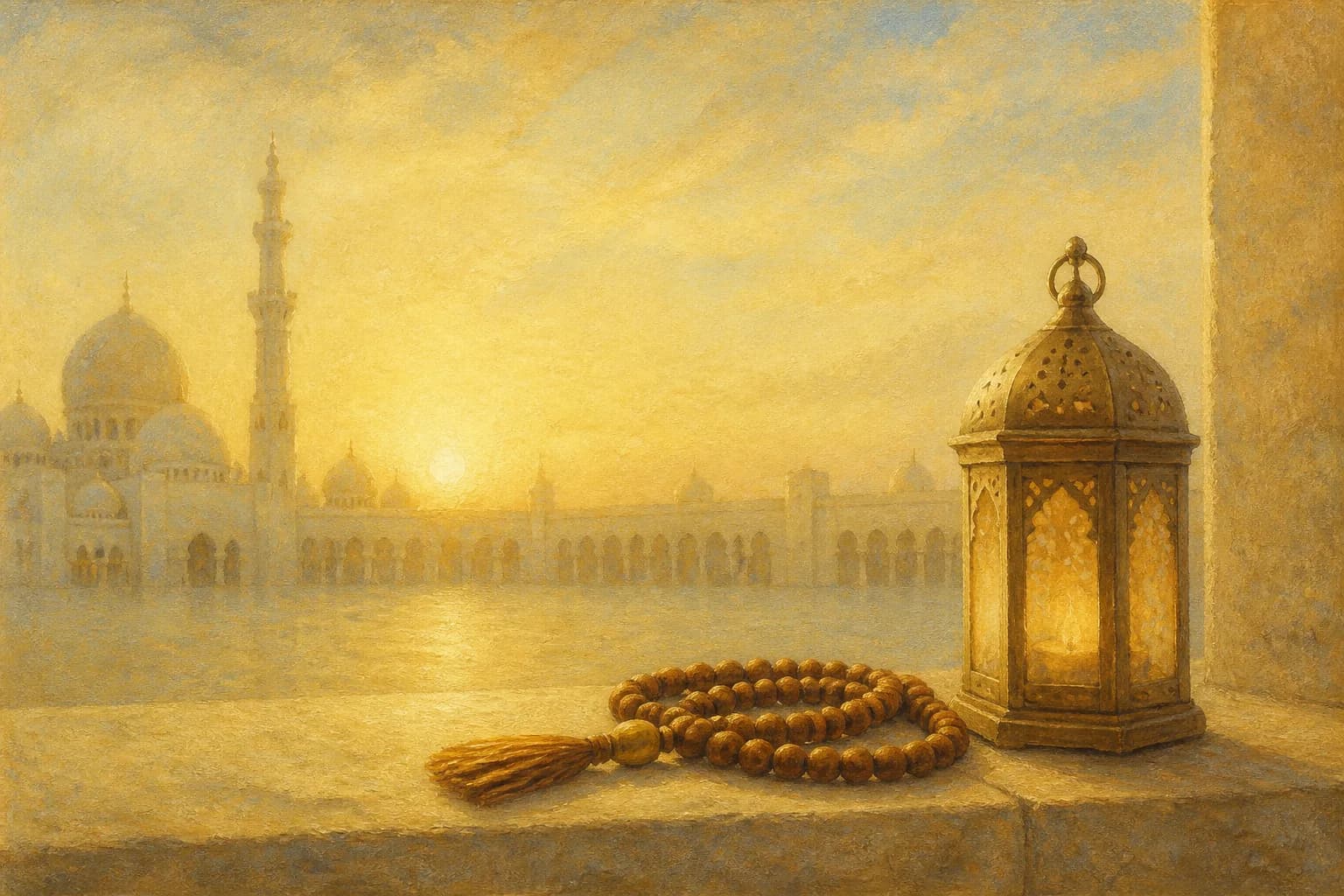

There is a moment — somewhere between exhaustion and hope — when words rise up from the heart without effort. A plea, a question, a quiet "please, Ya Allah." That moment is دُعَاء (dua), the most direct line a believer has to their Creator.
Islamic supplications are not formal rituals with fixed positions and timings. They are conversations — raw, sincere, personal appeals to Allah. And unlike many religious practices, dua belongs entirely to the heart. You can make it while cooking, commuting, or lying awake at 3 am.
Understanding what Islamic supplications are, when to make them, and how to make them part of your daily life is one of the most practical investments you can make in your relationship with Allah.
What Are Islamic Supplications?
Islamic supplications are personal prayers — called دُعَاء (dua, plural: ad'iya) — in which a Muslim calls directly upon Allah to ask for help, forgiveness, guidance, or gratitude. Unlike the five obligatory prayers, dua has no fixed posture, language, or timing; it is an intimate conversation between a servant and their Lord that can happen anywhere, anytime. The Quran calls it one of the most essential acts of worship: "And your Lord says: Call upon Me; I will respond to you." (Surah Ghafir, 40:60)
The Foundation: Why Dua Matters in Islam
The Prophet Muhammad ﷺ said:
"Du'a is worship." — (Sunan Abu Dawud 1479)
This single statement reframes everything. Supplication is not a last resort when all else fails — it is itself an act of worship, as essential as salah and fasting. Every time you raise your hands to Allah, you are declaring your dependence on Him, your belief in His power, and your trust in His wisdom.
Allah also says in the Quran:
"And when My servants ask you about Me — indeed I am near. I respond to the invocation of the supplicant when he calls upon Me." — (Surah Al-Baqarah, 2:186)
This verse is remarkable. Allah says He is near — not distant, not bureaucratic, not selective. He responds to everyone who sincerely calls on Him.
For practical guidance on how to structure your supplications, read our complete guide on how to make dua properly.
Three Core Islamic Supplications Every Muslim Should Know
1. The Dua of Yunus — For Distress and Relief
When Prophet Yunus (Jonah) called to Allah from inside the whale, he said:
لَا إِلَهَ إِلَّا أَنتَ سُبْحَانَكَ إِنِّي كُنتُ مِنَ الظَّالِمِينَ
La ilaha illa anta subhanaka inni kuntu mina al-zalimin "There is no deity except You; exalted are You. Indeed, I have been of the wrongdoers." — (Surah Al-Anbiya, 21:87)
The Prophet ﷺ said that no Muslim who calls upon Allah with this dua will go unanswered. (Tirmidhi 3505)
2. Dua for Remembrance, Gratitude, and Good Worship
اللَّهُمَّ أَعِنِّي عَلَى ذِكْرِكَ وَشُكْرِكَ وَحُسْنِ عِبَادَتِكَ
Allahumma a'inni 'ala dhikrika wa shukrika wa husni 'ibadatika "O Allah, help me to remember You, to thank You, and to worship You well." — (Sunan Abu Dawud 1522)
This supplication, taught by the Prophet ﷺ to Mu'adh ibn Jabal, is recommended after every salah.
3. Rabbana Atina — For Goodness in This World and the Next
رَبَّنَا آتِنَا فِي الدُّنْيَا حَسَنَةً وَفِي الْآخِرَةِ حَسَنَةً وَقِنَا عَذَابَ النَّارِ
Rabbana atina fid-dunya hasanatan wa fil-akhirati hasanatan wa qina 'adhab an-nar "Our Lord, give us good in this world and good in the Hereafter, and protect us from the punishment of the Fire." — (Surah Al-Baqarah, 2:201)
This comprehensive dua covers every dimension of a believer's life — it is one of the most frequently recommended Quranic supplications.
Types of Islamic Supplications at a Glance
| Type | Arabic Term | Best Time | Purpose |
|---|---|---|---|
| Quranic supplications | أَدْعِيَة قُرآنِيَّة | Any time | Direct Quranic prayers taught in the text |
| Prophetic supplications | أَدْعِيَة نَبَوِيَّة | Any time | Duas taught by the Prophet ﷺ in hadith |
| Morning adhkar | أَذكَار الصَّبَاح | After Fajr | Protection, gratitude, daily intentions |
| Evening adhkar | أَذكَار الْمَسَاء | After Asr | Spiritual protection, reflection |
| Situational duas | أَدْعِيَة مَوْقِفِيَّة | At specific moments | Entering home, eating, traveling, sleeping |
| Personal dua | دُعَاء شَخْصِيّ | Anytime (esp. last third of night) | Personal needs and requests |
For your daily morning routine, read our dedicated guides on morning adhkar in Islam and evening adhkar in Islam.
The Best Times for Islamic Supplications
Not all moments of dua are equal. The Prophet ﷺ identified specific times when supplications are more likely to be accepted:
The last third of the night. Allah descends to the lowest heaven and says: "Who is calling upon Me that I may answer them? Who is asking of Me that I may give them?" (Sahih al-Bukhari 1145). This is the time of tahajjud.
Between adhan and iqamah. The Prophet ﷺ said: "A supplication made between the adhan and iqamah is not rejected." (Sunan Abu Dawud 521)
While prostrating in salah. "The servant is nearest to his Lord when he is prostrating, so increase your supplications." (Sahih Muslim 482)
While fasting, just before breaking the fast. The fasting person has a dua that is not refused at the time of breaking the fast.
On Fridays, in the hour after Asr. The Prophet ﷺ mentioned a special hour on Friday when dua is answered. (Sahih al-Bukhari 935)
Making Supplications Part of Your Daily Life
The gap between knowing about dua and actually making it every day is real. Life fills up fast — and sincere supplication requires a moment of stillness that can feel hard to find.
Here are practical ways to build a daily supplication practice:
Anchor dua to existing habits. Say your morning adhkar right after Fajr salah before you reach for your phone. Keep a short list of duas you rotate through after each prayer. Read our full guide on building a daily duas practice for a structured approach.
Use waiting time. Commutes, queues, and pauses between tasks are perfect for personal dua. No prayer mat required — just a heart turned toward Allah.
Learn the adhkar by heart. The more duas you memorize, the more naturally they rise. Start with five: Bismillah (before every action), Alhamdulillah (after every blessing), Astaghfirullah (throughout the day), the dua of Yunus (for distress), and Rabbana atina (for this life and the next). Read our article on the importance of dhikr for deeper context.
Journal your duas. Write down what you are asking Allah for. This builds sincerity, helps you notice patterns in what you need, and creates a record you can look back on to see answered prayers.
DeenBack's guide to daily adhkar after prayer offers a complementary routine you can build alongside your personal supplication practice.
While secular self-development often frames prayer as visualization or affirmation, Islamic supplications operate on an entirely different level — they acknowledge that the outcomes of our intentions belong to Allah alone, not to human will. Dua is the believer's alternative to self-reliance.

Keep learning your deen with short, sourced lessons in DeenUp.
Related Duas Worth Knowing
| Dua | When to Recite | Source |
|---|---|---|
| Dua of Yunus (La ilaha illa anta...) | In distress | Surah Al-Anbiya 21:87 |
| Sayyidul Istighfar | Morning, before sleep | Sahih al-Bukhari 6306 |
| Dua after adhan | After the call to prayer | Sahih al-Bukhari 614 |
| Dua for entering home | Every time you enter | Sunan Abu Dawud 5096 |
| Allahumma a'inni... | After every salah | Sunan Abu Dawud 1522 |
For scholarly research on the spiritual dimensions of Islamic prayer and supplication, see Yaqeen Institute's research on overcoming anxiety through prophetic formula.
Common Questions About Islamic Supplications
Can I make dua after the five obligatory prayers? Yes — after every salah is one of the most recommended times for dua. Face the qiblah, raise your hands to shoulder level with palms facing up, begin with praise of Allah and salawat on the Prophet, then state your request. Close with "Ameen." This is a sunnah-confirmed practice.
What if my dua is not answered quickly? The Prophet ﷺ warned against hastiness: "The dua of any of you will be answered as long as he does not become hasty and say: I made dua but it was not answered." (Sahih al-Bukhari 6340). Allah answers in His time and wisdom — sometimes immediately, sometimes in a form different from what you expected, and sometimes by storing the reward for the Hereafter.
Should I raise my hands when making dua? Raising hands is sunnah for supplication outside of salah. The Prophet ﷺ said: "Allah is Generous and Forbearing and is ashamed not to respond when His servant raises his hands to Him." (Sunan Abu Dawud 1488). During sajdah, hands rest on the ground while the heart calls to Allah.
How does dua relate to the broader practice of dhikr? Dua and dhikr are closely related but distinct. Dhikr (remembrance of Allah through phrases like subhanallah, alhamdulillah, allahu akbar) maintains continuous awareness of Allah, while dua is a specific request or petition. Both nourish the heart — read our guide on how to make dua properly for more on the distinction.
Closing: Your Direct Line to Allah
Islamic supplications are the most personal form of worship — no intermediary, no appointment, no barrier. Allah has promised He is near and He responds.
The most powerful thing you can do for your faith is not a grand gesture; it is the quiet daily habit of talking to Allah. Before you sleep, when you wake, while you wait, while you worry — turn to Him. The door is always open.
Start today with one dua you can memorize by heart. Say it sincerely. Mean it completely. And trust in the One who said He hears every call.
Keep learning your deen with short, sourced lessons in DeenUp.
Frequently Asked Questions
What are Islamic supplications?
Islamic supplications are personal prayers — called dua in Arabic — in which a Muslim calls directly upon Allah to ask for help, guidance, forgiveness, or gratitude. Unlike the five daily prayers, dua has no fixed form or language; it is an intimate, direct conversation between a servant and Allah that can happen at any time.
What is the best time to make dua in Islam?
The most powerful times for Islamic supplications include the last third of the night (tahajjud time), between the adhan and iqamah, while fasting before breaking the fast, on Fridays after Asr prayer, and in prostration during salah. The Prophet Muhammad taught that Allah descends to the lowest heaven in the last third of every night to accept dua.
Does Allah always answer Islamic supplications?
Yes, Allah promises to answer every sincere supplication, though the response takes one of three forms: granting what was asked, replacing it with something better in this world, or reserving the reward for the Hereafter. The Prophet Muhammad said that no believer makes dua without Allah responding in one of these three ways.
What are the conditions for an accepted dua?
Conditions for an accepted Islamic supplication include sincerity of intention, certainty that Allah can respond, halal income and food, avoiding haste in expecting a response, and not asking for anything sinful. Scholars also recommend beginning dua with praise of Allah and sending blessings upon the Prophet before stating your need.
Can I make dua in my own language?
Yes, Muslims can make personal dua in any language — Arabic, English, Urdu, or any other tongue. While the prescribed adhkar and Quranic supplications are best recited in Arabic, personal requests to Allah have no language restriction. Allah understands every language, and sincerity of heart matters more than the words used.
How do I make dua properly during salah?
During salah, the most recommended position for personal dua is in sajdah (prostration), as the Prophet said the servant is closest to Allah while in sujood. After the tashahhud before salam is also an excellent time. Raise your hands in dua after salah is completed, face the qiblah, begin with praise of Allah, and then ask for your need.
What are the most important Islamic supplications for daily life?
The most important daily Islamic supplications include the morning and evening adhkar for protection and gratitude, Ayatul Kursi for spiritual protection, the dua of Yunus for relief from distress, Rabbana atina fid-dunya hasanah for goodness in this life and the next, and Sayyidul Istighfar for seeking forgiveness — all drawn from authentic Quran and hadith.