

- Authors

- Name
- Ahmad
- Role
- Senior Marketing Manager, Islamic education • DeenUp
بِسْمِ اللهِ الرَّحْمٰنِ الرَّحِيْمِ
In the name of God, the Most Gracious, the Most Merciful.
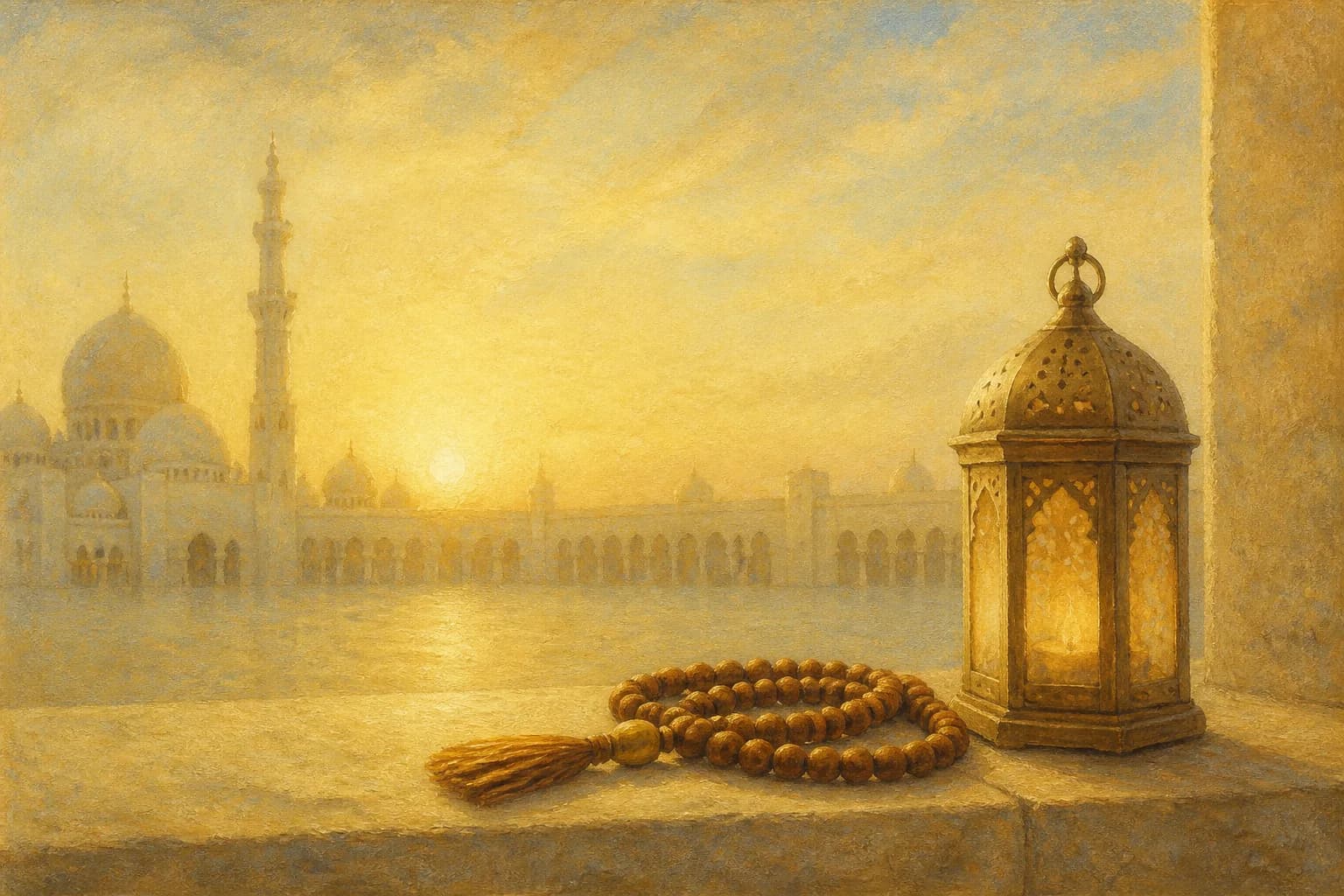

Friday is no ordinary day. Every week, the Muslim ummah pauses together for Jummah — the congregational prayer the Quran commands as a gathering of faith (Surah Al-Jumu'ah, 62:9). But what makes Friday particularly powerful is not just the prayer itself: it is what the Prophet ﷺ described as a hidden window of divine acceptance — an hour when every sincere dua reaches Allah. Most Muslims know Friday is blessed; fewer know how to unlock that blessing through specific, authentic supplications.
What Is the Dua for Jummah?
Jummah dua refers to the supplications, practices, and remembrances specifically recommended for Friday in Islam. The most important are: abundant salawat (blessings) on the Prophet ﷺ throughout the day, the recitation of Surah Al-Kahf, and heartfelt personal dua during the last hour before Maghrib — the widely accepted window when the Prophet ﷺ taught that Allah answers every sincere supplication (Sahih Muslim 852). No specific Arabic wording is required for your personal requests; what matters is sincerity and presence of heart.
Why Friday Is the Day of Dua
The Prophet Muhammad ﷺ said:
"The best day on which the sun has risen is Friday. On it Adam was created, on it he was admitted to Paradise, and on it he was expelled from it. The Hour will not occur except on Friday." (Sahih Muslim 854)
Friday holds a unique rank in Allah's calendar. It is the day when the first human was given life, and the day when the Last Hour will come. The Quran itself singles it out:
"O you who have believed, when the adhan is called for the prayer on Friday, hasten to the remembrance of Allah and leave trade. That is better for you, if you only knew." (Surah Al-Jumu'ah, 62:9)
This theological weight is why dua carries special force on Jummah. You are supplicating on the holiest weekly occasion in Islam — a day the Prophet ﷺ described as superior to even Eid al-Adha and Eid al-Fitr.
The Blessed Hour: When Dua Is Answered on Friday
The centerpiece of Jummah practice is the sacred hour when every supplication is granted:
"On Friday there is an hour when no Muslim stands and prays and asks Allah for something, but Allah will give it to him." (Sahih al-Bukhari 935, Sahih Muslim 852)
Scholars have debated which hour this refers to. Here is the clearest summary:
| View | Timing | Scholars Who Hold It | Basis |
|---|---|---|---|
| Most widely held | Last hour before Maghrib (sunset) | Ibn Qayyim, Ibn Taymiyyah, majority | Hadith of the worshiper sitting in anticipation |
| Second view | When imam sits between the two khutbahs | Imam al-Nawawi | Comparison to a posture of the imam |
| Third view | A hidden, moving hour | Minority | Analogy to Laylat al-Qadr being concealed |
The practical takeaway: dedicate the last 30–60 minutes before Maghrib to dua, dhikr, and salawat. Begin well before sunset so you are already in a state of supplication when the blessed hour arrives.
The Core Jummah Practice: Salawat on the Prophet ﷺ
The single most emphasized Jummah practice is sending abundant blessings on the Prophet ﷺ. He instructed:
"Send abundant blessings upon me on Friday, for your blessings are presented to me." (Abu Dawud 1047)
The complete Ibrahimi salawat — the same formula used in the final tashahhud of every prayer — is the most recommended form:
اللَّهُمَّ صَلِّ عَلَى مُحَمَّدٍ وَعَلَى آلِ مُحَمَّدٍ، كَمَا صَلَّيْتَ عَلَى إِبْرَاهِيمَ وَعَلَى آلِ إِبْرَاهِيمَ، إِنَّكَ حَمِيدٌ مَجِيدٌ
Allahumma salli 'ala Muhammadin wa 'ala ali Muhammadin, kama sallayta 'ala Ibrahima wa 'ala ali Ibrahima, innaka Hamidun Majid.
"O Allah, send blessings upon Muhammad and upon the family of Muhammad, as You sent blessings upon Ibrahim and upon the family of Ibrahim. You are indeed Praiseworthy and Glorious." — (Sahih al-Bukhari 3370)
Repeat this throughout Friday — after each prayer, during your commute, in quiet moments before sleep. Every recitation is presented to the Prophet ﷺ, and each one returns a tenfold blessing to the supplicant.
Recite Surah Al-Kahf on Friday
The second major Jummah practice is reciting Surah Al-Kahf (Chapter 18, 110 verses). The Prophet ﷺ said:
"Whoever reads Surah Al-Kahf on Jummah, a light will shine for him between the two Fridays." (Authenticated by Al-Albani; see also Al-Hakim 2/368)
Surah Al-Kahf contains four stories — the People of the Cave, the Man with Two Gardens, Moses and Al-Khidr, and Dhul-Qarnayn — each centered on tawakkul (trust in Allah), sabr (patience), and divine wisdom over worldly appearances. Its Friday recitation is a weekly inoculation against the trials of the Dajjal (Anti-Christ), which the opening verses specifically protect against.
If 110 verses feels long on a busy Friday, scholars say reciting at least the first and last 10 verses captures the core protection. But the full surah is the sunnah. For deeper Quranic engagement, our guide to Surah Al-Kahf and its Friday blessings explores its stories and spiritual meanings in detail.

Keep learning your deen with short, sourced lessons in DeenUp.
Making Jummah Dua a Weekly Ritual
The practical challenge with Jummah is that it arrives every seven days — predictable, yet easy to let pass without intention. Here is a simple structure to anchor it:
After Fajr: Begin sending salawat on the Prophet ﷺ. Even 33 recitations after Fajr establishes Friday differently in your heart from the start.
Morning or early afternoon: Recite Surah Al-Kahf. If you cannot read it all at once, split it: first 10 verses after Fajr, middle sections at lunch, last 10 after Asr. The key is completing it before the day ends.
Before Maghrib: Dedicate the last 30–60 minutes entirely to dua. Make wudu, face the qiblah, and ask Allah directly for what is in your heart — provision, health, guidance, protection of your family, ease in your affairs, and forgiveness for your sins. This is the most precious window of the week.
After Maghrib: Close the Jummah with the evening adhkar and a moment of gratitude.
For a broader understanding of supplication practice, our guide to how to make dua properly covers sincerity, etiquette, and the conditions that make dua more likely to be answered. Our piece on the significance of Friday in Islam adds important historical and Quranic context to the day's rank.
The DeenBack guide to morning dua routines is a useful companion for pairing salawat with a broader daily supplication practice. The Demi Manifest piece on post-prayer rituals explores how consistent worship habits anchor an intentional Muslim day, which applies especially to the structure of Jummah.
Related Friday Duas and Dhikr
These additional practices complement the core Jummah supplications:
| Practice | Description | When on Friday |
|---|---|---|
| Sayyid al-Istighfar | The master forgiveness dua — "Allahumma anta rabbi la ilaha illa anta..." | After Fajr, the blessed hour |
| Dua entering the masjid | "Allahumma iftah li abwaba rahmatik" | Arriving for Jummah prayer |
| Dua in sujood | Personal heartfelt requests | During sujood in every prayer |
| Abundant salawat after Asr | Ibrahimi salawat repeated abundantly | After Asr prayer |
For deeper reading on the meaning of sending blessings on the Prophet ﷺ, see our guide to the benefits of salawat on the Prophet ﷺ. To understand how Jummah fits into the full Islamic week, explore the meaning of Jummah.
The Yaqeen Institute also has excellent research on the prophetic prayer tradition if you want to go deeper into the hadith scholarship behind these practices.
Common Questions About Jummah Dua
What if I cannot attend Jummah prayer — do I still benefit from Friday? Yes. The blessed hour, salawat, and Surah Al-Kahf apply to every Muslim regardless of whether they attend the congregational prayer. Travelers, the sick, women, and those prevented by circumstances still access Friday's blessings through these individual practices.
Should I make dua out loud or silently on Jummah? Either is valid. The Prophet ﷺ made dua both ways in different contexts. Silent dua, however, is generally closer to the Quranic instruction: "Call upon your Lord in humility and secretly." (Surah Al-A'raf, 7:55). Both are accepted.
Can I ask for worldly things during the blessed Friday hour? Yes. The hadith mentions no restriction: "no Muslim asks for something but Allah will give it to him" (Sahih Muslim 852). Ask for your job, your health, your marriage, your children, your finances. Allah is not diminished by the vastness of what you request. Ask also for the hereafter — but do not let concern about the permissibility of asking stop you from asking.
Keep learning your deen with short, sourced lessons in DeenUp.
Closing: The Weekly Gift That Arrives Every Seven Days
Friday comes back without fail. The Prophet ﷺ described it as the day Allah grants every sincere request — and it belongs equally to every Muslim, in every city and situation. You do not need special knowledge or a long ritual: salawat throughout the day, Surah Al-Kahf, and personal dua in the last hour before Maghrib. That is the core.
Start where you are. One Jummah, commit to 10 minutes of salawat. The next, add Surah Al-Kahf. Build from there. Explore our guide to morning adhkar in Islam to carry the spirit of Friday's remembrance into the rest of your week. Every Friday is a fresh beginning — and this one, insha'Allah, can be your best yet.
Frequently Asked Questions
What dua should I make on Jummah?
On Jummah, send abundant salawat on the Prophet ﷺ throughout the day (Abu Dawud 1047), recite Surah Al-Kahf, and make heartfelt personal dua during the last hour before Maghrib — the special window when Allah accepts every sincere supplication on Friday (Sahih Muslim 852). Any lawful request is welcome.
When is the special hour of accepted dua on Friday?
The majority scholarly view identifies the special Friday hour as the last hour before Maghrib (sunset), based on Sahih al-Bukhari 935 and Sahih Muslim 852. A second opinion places it during the interval when the imam sits between the two parts of the khutbah. Most scholars follow the first view.
What Arabic dua should I recite on Jummah?
The most recommended Arabic practice for Jummah is the Ibrahimi salawat: Allahumma salli ala Muhammadin wa ala ali Muhammadin, kama sallayta ala Ibrahima wa ala ali Ibrahima, innaka Hamidun Majid. Repeat this abundantly throughout Friday. Personal duas in any language are equally valid during the sacred hour.
Is reading Surah Al-Kahf on Friday a sunnah?
Yes, reciting Surah Al-Kahf on Friday is a confirmed sunnah. The Prophet ﷺ said that whoever reads it will have a light that shines from one Friday to the next (authenticated by Al-Albani; Al-Hakim 2/368). It can be read at any point during the day or night of Friday — before or after the prayer.
Can I make dua for others during the Jummah blessed hour?
Yes, making dua for other Muslims on Jummah is especially encouraged. The Prophet ﷺ regularly supplicated for the ummah, and dua for an absent Muslim is one that angels echo back, saying: and for you the same. The sacred hour applies equally whether you are supplicating for yourself or for others.
Do women benefit from the Friday blessed hour even if they do not attend Jummah prayer?
Yes, fully. The blessed hour, salawat, Surah Al-Kahf, and all recommended Friday practices apply to women regardless of whether they attend the congregational prayer. The Jummah prayer itself is obligatory only for free, resident, adult men. Every Muslim benefits from Friday's spiritual elevation.