

- Authors

- Name
- Ahmad
- Role
- Senior Marketing Manager, Islamic education • DeenUp
بِسْمِ اللهِ الرَّحْمٰنِ الرَّحِيْمِ
In the name of God, the Most Gracious, the Most Merciful.
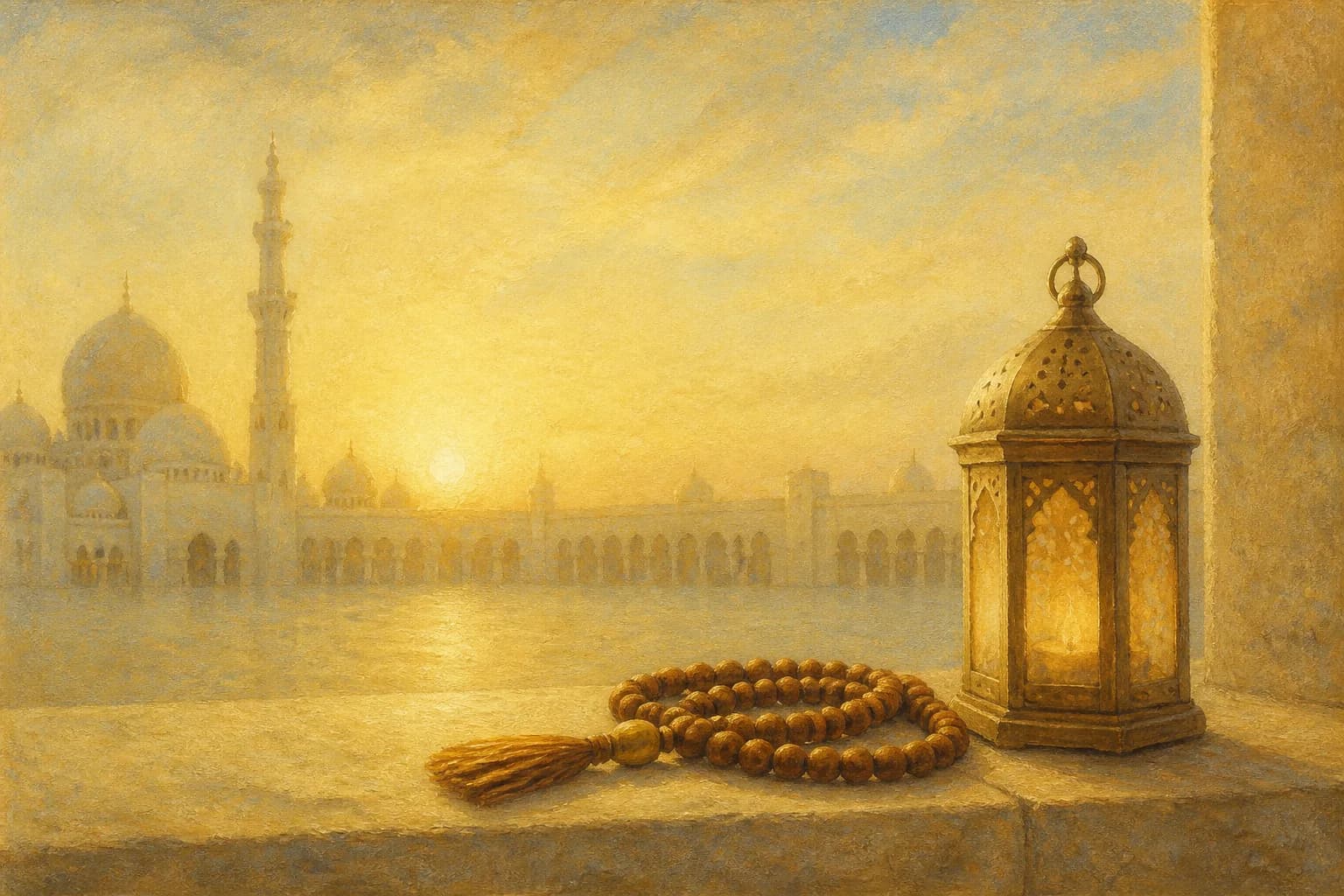

Night arrives and the world quiets down. For a Muslim, this transition is not merely rest — it is an opportunity. The Prophet ﷺ described the last third of the night as a time when Allah descends to the lowest heaven and calls out: "Who is supplicating Me, that I may respond to him? Who is asking something of Me, that I may give it to him?" (Sahih al-Bukhari 1145). Knowing which night duas to recite — and when — transforms your relationship with sleep itself.
What Is a Night Dua in Islam?
A night dua is any authenticated supplication from the Quran or Sunnah intended for the hours of night — before sleep, upon waking in darkness, and during voluntary night prayer. The Prophet Muhammad ﷺ taught a specific set of night duas to his companions, each serving a distinct purpose: one for peaceful sleep, one for protection, one for waking mid-night, and one for the sacred final third of the night. Together, they form a nightly covenant between the believer and Allah that anyone can start tonight.
The Essential Night Duas to Know
Before Sleep: Bismika Allahumma
The Prophet ﷺ would say this dua every night before closing his eyes (Sahih al-Bukhari 6312):
بِسْمِكَ اللَّهُمَّ أَمُوتُ وَأَحْيَا
Bismika Allahumma amutu wa ahya
"In Your name, O Allah, I die and I live."
This short, powerful night dua frames sleep as a minor death — a surrender of the soul to Allah — and waking as a gift of life renewed. It is the anchor of the nightly Sunnah.
For Protection: Ayatul Kursi
The Prophet ﷺ taught that whoever recites Ayatul Kursi (Surah Al-Baqarah 2:255) before sleeping will be protected by Allah and Shaytan will not approach them until morning (Sahih al-Bukhari 5010). It is among the most powerful night duas in the entire Sunnah. You can read the full text and tafsir on Quran.com.
The Tasbih Before Sleep
Reported from Ali ibn Abi Talib, the Prophet ﷺ advised reciting before sleep (Sahih al-Bukhari 3705):
- سُبْحَانَ اللَّه (Subhanallah) — 33 times
- الْحَمْدُ لِلَّه (Alhamdulillah) — 33 times
- اللَّهُ أَكْبَر (Allahu Akbar) — 34 times
The Three Quls
Aisha (رضي الله عنها) narrated that every night the Prophet ﷺ would cup his hands, blow into them, recite Surah Al-Ikhlas, Al-Falaq, and An-Nas, then wipe over his body starting from his head (Sahih al-Bukhari 5017). The physical gesture anchors the dua in the body and helps build the habit. You can verify the full hadith at Sunnah.com.
Why the Night Holds Special Status in Islam
The Quran elevates the night as a sacred time for devotion. Allah says:
"And during a part of the night, pray Tahajjud as an additional prayer for you." — (Surah Al-Isra, 17:79)
And He describes the righteous as those who:
"…used to sleep but little of the night, and in the hours before dawn they would seek forgiveness." — (Surah Az-Zariyat, 51:17-18)
The night is not the absence of day — it is a gift of privacy between the servant and their Lord. The evening adhkar mark the transition into this sacred window, and tahajjud night prayer extends it into the early hours. Even a few consistent night duas plant that seed of devotion.
Dua Upon Waking During the Night
If you wake mid-night, reach for this dua before reaching for your phone (Sahih al-Bukhari 1154):
لَا إِلَهَ إِلَّا اللَّهُ وَحْدَهُ لَا شَرِيكَ لَهُ، لَهُ الْمُلْكُ وَلَهُ الْحَمْدُ، وَهُوَ عَلَى كُلِّ شَيْءٍ قَدِيرٌ
La ilaha illallahu wahdahu la sharika lah, lahul mulku wa lahul hamdu, wa huwa ala kulli shay in qadir
"There is no god but Allah, alone, without partner. To Him belongs the dominion and to Him belongs all praise, and He has power over all things."
The Prophet ﷺ taught that whoever wakes during the night, says these words, and then makes dua, will have their supplication answered. If the night is one of the last third, consider rising for tahajjud — even two short rakahs of sincere prayer.
Building Your Night Duas Routine
The most common reason Muslims skip night duas is not lack of faith — it is exhaustion. Build the habit gradually:
Week 1 — One dua only: Recite Bismika Allahumma before closing your eyes. Even ten seconds. That is enough to begin.
Week 2 — Add the tasbih: Count on your fingers — 33 SubhanAllah, 33 Alhamdulillah, 34 Allahu Akbar. The tactile counting keeps you awake and present.
Week 3 — Add Ayatul Kursi: You now have a two-to-three minute nightly routine. Most nights, this is all you need.
Week 4 onwards — The Three Quls: Cup your hands, recite Al-Ikhlas, Al-Falaq, An-Nas, blow gently, and wipe over your head and body. This physical Sunnah marks a clear ritual end to the day.
For guidance from DeenBack on the tahajjud night prayer and practical strategies for building night prayer habits from Demi Manifest, both resources complement your practice well.

Keep learning your deen with short, sourced lessons in DeenUp.
Night Duas Quick Reference
| Dua / Practice | When to Recite | Source |
|---|---|---|
| Bismika Allahumma | Before closing eyes to sleep | Sahih al-Bukhari 6312 |
| Tasbih 33/33/34 | Before sleeping | Sahih al-Bukhari 3705 |
| Ayatul Kursi | Before sleeping | Sahih al-Bukhari 5010 |
| Three Quls | Before sleeping, hands cupped | Sahih al-Bukhari 5017 |
| Waking dua | If you wake during the night | Sahih al-Bukhari 1154 |
| Personal dua | Last third of the night | Sahih al-Bukhari 1145 |
Signs Your Night Dua Practice Is Taking Root
You know the habit is real when:
- Lying down without Bismika Allahumma feels incomplete
- Waking at 2 or 3 am no longer feels like an intrusion — it feels like an invitation
- The blessed state of Islamic sleep is something you actively prepare for through your pre-sleep routine
On difficult nights when tiredness makes it all feel impossible, even the intention counts. The Prophet ﷺ said: "When a servant is sick or travelling, the reward of what he used to do when he was healthy and at home is written for him." (Sahih al-Bukhari 2996)
Closing
The night does not belong to sleep alone. It belongs to Allah — and to the servant who turns to Him within it. Start with the dua before sleeping tonight. Add one practice per week. Within a month, your night will carry a quality of sacred intentionality that ripples into everything the next day holds.
Keep learning your deen with short, sourced lessons in DeenUp.
Frequently Asked Questions
What is the most important night dua in Islam?
The most essential night dua is Bismika Allahumma amutu wa ahya — In Your name, O Allah, I die and I live — recited before sleeping. The Prophet recited this dua consistently (Sahih al-Bukhari 6312). Pair it with Ayatul Kursi for comprehensive nighttime protection from Shaytan.
What duas should I read before going to sleep?
Before sleeping, recite Bismika Allahumma amutu wa ahya (Sahih al-Bukhari 6312), Ayatul Kursi (Sahih al-Bukhari 5010), and the Three Quls — Al-Ikhlas, Al-Falaq, and An-Nas. These night duas together provide protection, inner peace, and a complete surrender to Allah.
What should I say if I wake up during the night?
If you wake during the night, recite La ilaha illallahu wahdahu la sharika lah, lahul mulku wa lahul hamdu, wa huwa ala kulli shay in qadir. The Prophet taught that whoever says this and then makes dua, their supplication will be answered (Sahih al-Bukhari 1154).
Can I recite night duas in English?
Reciting night duas in English is permissible, though the Arabic prophetic texts carry special merit. While still learning Arabic, recite what you know in Arabic and supplement with sincere personal supplication in your language. Gradually memorising the Arabic text is highly recommended.
Do night duas need to follow a specific order?
There is no strictly prescribed order for night duas, but following the Sunnah sequence is best: the tasbih of 33/33/34, then Ayatul Kursi, then the Three Quls, then the sleeping dua. Each dua stands alone and carries full reward whenever sincerely recited before sleep.
What dua protects against bad dreams at night?
For protection from nightmares, recite Surah Al-Falaq and An-Nas before sleeping and blow into your cupped hands. If a bad dream occurs, the Prophet taught to turn to your other side and seek refuge from Shaytan (Sahih Muslim 2262). Ayatul Kursi before sleep provides ongoing protection.
How do I build a consistent night dua habit?
Start with just one dua — Bismika Allahumma — every night for a week. Once it feels natural, add the tasbih, then Ayatul Kursi. Gradual additions over time build lasting habits. Keep a dua card on your nightstand as a visible reminder until the practice becomes second nature.