

- Authors

- Name
- Ahmad
- Role
- Senior Marketing Manager, Islamic education • DeenUp
بِسْمِ اللهِ الرَّحْمٰنِ الرَّحِيْمِ
In the name of God, the Most Gracious, the Most Merciful.

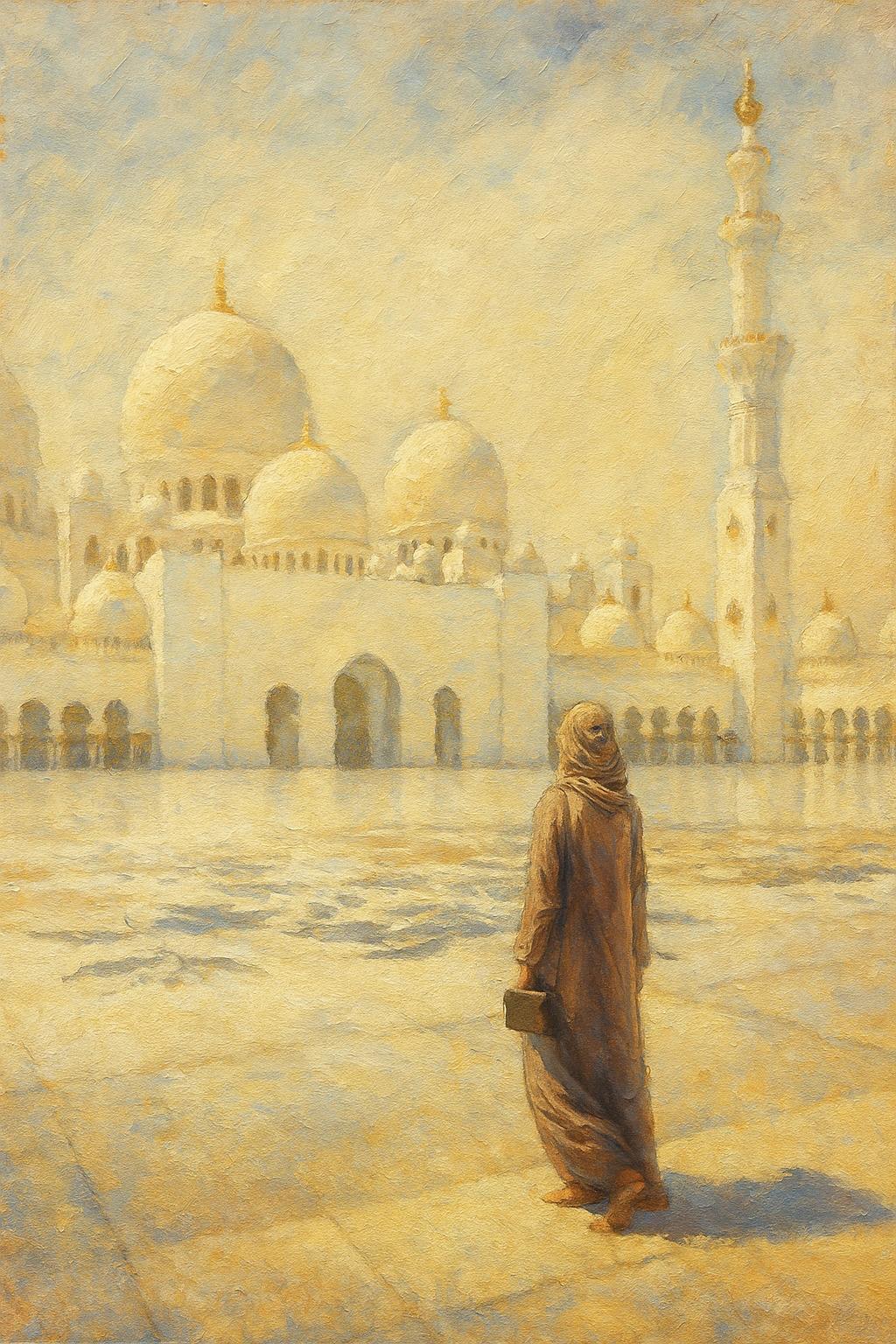
Seven verses. One of the shortest chapters in the Quran. And yet Surah Al-Ma'un delivers one of the most searching questions in all of scripture: can you really claim faith while ignoring the orphan at your door?
This surah challenges Muslims at a deep level — not just what we believe in our hearts, but what that belief looks like in everyday life: in how we treat the vulnerable, how we stand in prayer, and whether our acts of worship are for Allah or for the approval of others.
What Is Surah Al-Ma'un?
Surah Al-Ma'un is the 107th chapter of the Quran, containing 7 verses. Revealed primarily in Makkah, it identifies those who deny the Day of Recompense (ad-Deen) not by their words but by their actions: they drive away orphans, ignore the feeding of the poor, pray heedlessly, show off their deeds, and withhold even the smallest acts of help. The surah's name comes from its final word, al-ma'un (الماعون) — small kindnesses or basic necessities — making a powerful point: those who deny accountability cannot even bring themselves to perform the most trivial acts of generosity.
Full Arabic Text, Transliteration, and Translation
بِسْمِ اللَّهِ الرَّحْمَنِ الرَّحِيمِ
Verse 1
أَرَأَيْتَ الَّذِي يُكَذِّبُ بِالدِّينِ
Ara-ayta alladhee yukaththibu bid-deen
"Have you seen the one who denies the Recompense?"
Verse 2
فَذَٰلِكَ الَّذِي يَدُعُّ الْيَتِيمَ
Fathalika alladhee yadu''u al-yateem
"For that is the one who drives away the orphan"
Verse 3
وَلَا يَحُضُّ عَلَىٰ طَعَامِ الْمِسْكِينِ
Wala yahuddu 'ala ta'ami al-miskeen
"And does not encourage the feeding of the poor."
Verse 4
فَوَيْلٌ لِّلْمُصَلِّينَ
Fawaylun lil-musalleen
"So woe to those who pray"
Verse 5
الَّذِينَ هُمْ عَن صَلَاتِهِمْ سَاهُونَ
Allatheena hum 'an salatihim sahoon
"[But] who are heedless of their prayer"
Verse 6
الَّذِينَ هُمْ يُرَاءُونَ
Allatheena hum yura'oon
"Those who make show [of their deeds]"
Verse 7
وَيَمْنَعُونَ الْمَاعُونَ
Wayamna'oona al-ma'oon
"And withhold [simple] assistance."
— (Surah Al-Ma'un, 107:1–7, Saheeh International translation)
The full text is available at Quran.com, Surah Al-Ma'un.
Want to build a daily Quran reading habit around short surahs like this one? Take the free DeenUp quiz and get a personalized Islamic learning plan.
When Was Surah Al-Ma'un Revealed?
Surah Al-Ma'un is classified primarily as Makkan — revealed in Makkah before the Prophet's ﷺ migration to Madinah. Classical scholars including Ibn Abbas and Mujahid identified figures like Abu Jahl as the type addressed in the first three verses: those who actively mistreated orphans and saw no religious obligation to care for the poor because they denied accountability after death.
Scholars such as Al-Qurtubi and Ibn Kathir note that verses 4–7 may have been revealed in Madinah, addressing hypocrites who performed the outer rituals of Islam — including prayer — without internal sincerity. Whether one portion or all of it is Makkan, the thematic unity is clear: the surah describes people who have disconnected outer practice from inner reality and social responsibility.
The Three Signs of Denying the Recompense
The surah opens with a rhetorical question — "Have you seen the one who denies the Recompense?" — and then answers it with three observable behaviors rather than a statement of creed.
| Sign | Verse | What It Looks Like |
|---|---|---|
| Driving away the orphan | 107:2 | Harsh treatment, dismissal, refusal to give them their rights |
| Not encouraging feeding the poor | 107:3 | Neither giving themselves nor motivating others to give |
| Heedless prayer + showing off | 107:4–6 | Praying without attention; praying only when seen |
| Withholding al-ma'un | 107:7 | Refusing small, easy acts of help to neighbors and others |
This structure teaches something important: denial of the Day of Judgment is not just a theological statement — it is a lived posture. When someone truly believes they will stand before Allah and account for every act, they cannot mistreat an orphan, walk past the hungry, or pray without presence.
Why Does the Surah Warn Against Prayer?
Verse 4 is startling: "So woe to those who pray." This is a warning — and yet they are praying. What could be wrong with prayer?
Verse 5 clarifies: they are "heedless of their prayer." The Arabic word sahoon (سَاهُونَ) means to be inattentive, negligent, or forgetful — not praying at all, but praying as an empty habit. Scholars explain two dimensions:
- Heedlessness within the prayer — praying without khushu (خُشُوع), without awareness that you are standing before Allah.
- Heedlessness about the prayer — habitually delaying it, not praying on time, or abandoning it regularly.
Verse 6 adds a second charge: riya (رِيَاء) — ostentation or showing off. These people perform acts of worship only when others can see them. For more on this spiritual disease and how to protect yourself from it, read What is Riya in Islam.
The two charges together form a portrait: a person who treats worship as a social ritual rather than a conversation with Allah. This is why khushu in salah is not an optional upgrade — it is what separates sincere prayer from the prayer condemned here.
Your personal 28-Day Deen Plan
Learn your deen in 28 days, 5 minutes a day
The essentials of salah, fiqh and faith, step by step from authentic sources. Finish all 28 days and earn a verifiable Certificate of Completion.
Take the free quizAnswer a few questions and get your personal plan.

What Does "Al-Ma'un" Mean?
The word al-ma'un (الماعون) has been explained by classical scholars in a few ways:
- Small household items lent to neighbors — a pot, a bucket, a grinding stone — basic tools that people borrow and return.
- Zakat or charitable giving — some scholars understood it as the obligatory wealth due to the poor.
- Any small act of kindness — the broader interpretation that captures the surah's spirit.
The genius of ending the surah with this word is its scale. The surah began with cosmic stakes — denial of the Day of Recompense, the fate of orphans. And it ends with something as small as refusing to lend a neighbor a pot. The message: if someone's heart is so hardened that they cannot perform the smallest act of generosity, that hardness runs all the way down to their relationship with Allah and their belief in accountability.
Helping with small things is a form of sadaqah. The Prophet ﷺ said: "Every act of kindness is sadaqah." (Sahih al-Bukhari 2989)
How to Apply Surah Al-Ma'un Today
Surah Al-Ma'un is not just a critique of people who lived in Makkah fourteen centuries ago. It is a mirror. Here are three questions it invites every Muslim to ask honestly:
1. How is your prayer — really? Not "do you pray," but "how do you pray?" Are you present when you stand for salah? Do you rush through it, or do you give each verse and movement its due attention? Building genuine focus in prayer is a daily practice, not a one-time achievement.
2. Are the vulnerable around you being ignored? Orphans and the poor are specific — but the principle extends to anyone who needs support: an elderly neighbor, a struggling friend, a family member going through difficulty. Seeing and responding to need is an expression of believing in the Day of Recompense.
3. Are your acts of worship for Allah or for people? The benefits of reading Quran daily and memorizing it are only realized when done sincerely. If you pray more when guests are present, recite more when others can hear, or give charity only when it will be noticed — Surah Al-Ma'un is addressing you directly.
For practical guidance on building a consistent Quran reading routine, DeenBack's guide to daily Quran habits and Demi Manifest's piece on short surahs as a daily discipline offer helpful frameworks.
Surah Al-Ma'un is closely related to its neighbors in the Quran. Surah Quraish (106) reminds the Quraysh of Allah's favor; Surah Al-Ma'un then challenges them on how they respond to that favor. And Surah Al-Asr similarly warns about loss for those who lack faith expressed in righteous action.
For the full text and tafsir, visit Quran.com Surah Al-Ma'un and explore the classical commentary at Sunnah.com.
Want to deepen your understanding of Quranic surahs and build a daily practice around them? Take the free DeenUp quiz to find your personalized Islamic learning plan.
Your personal 28-Day Deen Plan
Learn your deen in 28 days, 5 minutes a day
The essentials of salah, fiqh and faith, step by step from authentic sources. Finish all 28 days and earn a verifiable Certificate of Completion.
Take the free quizAnswer a few questions and get your personal plan.
Frequently Asked Questions
What is Surah Al-Ma'un about?
Surah Al-Ma'un (Chapter 107) condemns those who deny the Day of Recompense by their actions — mistreating orphans, ignoring the poor, praying insincerely or for show, and withholding basic assistance from others. It teaches that true faith requires both sincere worship and genuine care for the vulnerable.
How many verses are in Surah Al-Ma'un?
Surah Al-Ma'un has 7 verses. It is one of the shortest chapters in the Quran and belongs to the Juz Amma (the 30th part). Despite its brevity, it covers major themes: denial of the afterlife, neglect of orphans and the poor, heedless prayer, ostentation in worship, and withholding simple help.
What does 'maun' mean in Arabic?
The Arabic word 'maun' (الماعون) refers to small acts of assistance or basic household necessities — things like lending a pot, a bucket, or a tool to a neighbor. It represents the smallest, most ordinary forms of kindness. The surah uses it to highlight that those who withhold even this minor help deny the spirit of Islam.
When was Surah Al-Ma'un revealed?
Surah Al-Ma'un was revealed in Makkah, though some scholars hold that verses 4 to 7 (the section about prayer) were revealed in Madinah. The Makkan verses addressed the pagan Quraysh who denied the afterlife; the Madinan verses addressed hypocrites who prayed outwardly while lacking sincerity.
What is the warning in Surah Al-Ma'un about prayer?
Surah Al-Ma'un warns of 'woe' (wayl) to those who are 'heedless of their prayer' — meaning they pray but without attention, sincerity, or regularity. The warning is not against prayer itself but against treating it as an empty ritual or performing it only when others are watching. Prayer must come from the heart.
Who was Surah Al-Ma'un revealed about?
Classical commentators mention Abu Jahl or Abu Sufyan (before his conversion) as candidates for the first verses. The surah describes a type — anyone who denies the Day of Recompense in practice, whether by abusing orphans, ignoring the poor, or showing off their worship. It applies to any believer who falls into these patterns.
How can I apply Surah Al-Ma'un in daily life?
Apply Surah Al-Ma'un by checking three things daily: Are you praying with presence and sincerity, or merely going through the motions? Are you giving attention and care to those in need around you — orphans, the poor, neighbors? And are you helping others with small acts of kindness without expecting recognition?