

- Authors

- Name
- Ahmad
- Role
- Senior Marketing Manager, Islamic education • DeenUp
بِسْمِ اللهِ الرَّحْمٰنِ الرَّحِيْمِ
In the name of God, the Most Gracious, the Most Merciful.
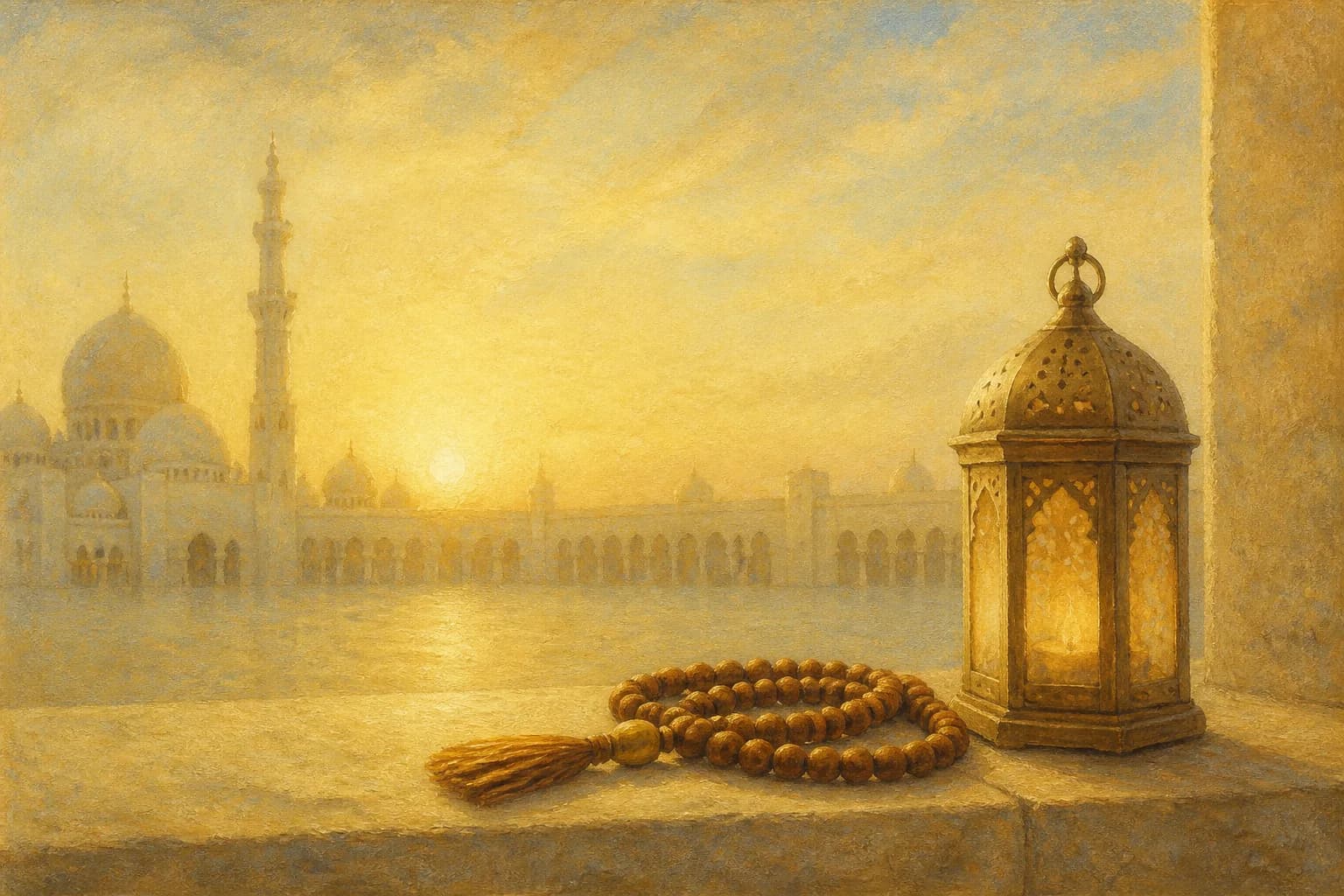

Why Ramadan Is the Season of Dua
Ramadan arrives and something shifts. The days feel quieter, the nights deeper, and the heart more open to turning toward Allah. That softness is not coincidence — it is by design. This blessed month strips away the distractions that occupy ordinary days and creates space for the most intimate act a believer can perform: calling directly upon Allah.
The Quran places a remarkable verse about dua right in the middle of the Ramadan verses. After explaining fasting, Allah says:
وَإِذَا سَأَلَكَ عِبَادِي عَنِّي فَإِنِّي قَرِيبٌ ۖ أُجِيبُ دَعْوَةَ الدَّاعِ إِذَا دَعَانِ
"And when My servants ask you concerning Me — indeed I am near. I respond to the invocation of the supplicant when he calls upon Me." — (Surah Al-Baqarah, 2:186)
This guide brings together the essential daily duas for Ramadan — from the moment you rise for suhoor to the quietness after taraweeh — so you can fill every moment of this blessed month with words that reach directly to Allah.
What Are the Daily Duas for Ramadan?
The daily duas for Ramadan center on three pivotal moments: breaking the fast at iftar, seeking forgiveness on Laylatul Qadr in the last 10 nights, and sustaining morning and evening adhkar throughout the month. The most authenticated iftar dua is from Abu Dawud 2357; the most important night dua is the Laylatul Qadr supplication from Tirmidhi 3513. Together with the standard adhkar, these duas frame each Ramadan day as an act of continuous worship.
The Essential Ramadan Duas
What Is the Dua When Breaking the Fast?
The most authentic dua for iftar is narrated by Ibn Umar and reported in Abu Dawud 2357:
ذَهَبَ الظَّمَأُ وَابْتَلَّتِ الْعُرُوقُ وَثَبَتَ الأَجْرُ إِنْ شَاءَ اللَّهُ
Dhahaba al-zama'u wabtallatil 'urooq, wa thabatal ajru insha'Allah
"Thirst has gone, the veins are moistened, and the reward is confirmed, if Allah wills." — (Abu Dawud 2357)
This dua is grounded in a physical reality — the relief of a long fast — and immediately ties it to the spiritual reward waiting with Allah. Say it right as you take your first sip of water or bite of food at iftar.
Some people also use a second supplication attributed to the Prophet ﷺ in other narrations: "O Allah, for You I fasted and upon Your provision I break my fast." Scholars note that while this wording has a weaker chain of transmission, the meaning is sound and many scholars accept its use.
For a full guide on the iftar dua and its variants, see the dua for breaking fast article on DeenUp.
What Is the Dua for Suhoor?
There is no specific hadith-sourced dua designated only for suhoor, but the Prophet ﷺ firmly recommended eating it:
"Eat suhoor, for there is blessing in it." — (Sahih al-Bukhari 1923)
At suhoor, recite the morning adhkar before fajr enters. Renew your intention (niyyah) for the fast: "I intend to fast today for the sake of Allah." The niyyah is in the heart — verbal expression is not required, but forming it clearly focuses your worship. Our guide to morning adhkar in Islam covers the full set of supplications recommended from after fajr through the early morning.
What Is the Dua for Laylatul Qadr?
Aisha (ra) asked the Prophet ﷺ what dua she should make if she found Laylatul Qadr. He replied:
اللَّهُمَّ إِنَّكَ عَفُوٌّ تُحِبُّ الْعَفْوَ فَاعْفُ عَنِّي
Allahumma innaka 'Afuwwun tuhibbul 'afwa fa'fu 'anni
"O Allah, You are Forgiving and You love forgiveness, so forgive me." — (Tirmidhi 3513, graded sahih)
This dua is intentionally short and intentionally focused on forgiveness — because that is the greatest gift of the Night of Power. Repeat it abundantly in the last 10 nights, especially during the odd nights (21st, 23rd, 25th, 27th, 29th). For a deeper reflection on this night, read our guide to the dua for Laylatul Qadr.
Do you feel your duas are unanswered?
Have you read the dua properly? Learn authentic duas, understand their meanings, and call upon Allah with greater confidence through DeenUp.
Take the Dua Quiz
What Is the Prophetic Tradition of Dua in Ramadan?
The Prophet ﷺ increased in every act of worship during Ramadan — but dua was central to his nights. Aisha (ra) described him standing in prayer so long that his feet would swell, and companions noted his lips moving constantly in supplication.
There is a well-known principle transmitted across hadith collections: the fasting person's dua is not rejected. The Prophet ﷺ explained that when a person's stomach is empty for the sake of Allah, their heart is more present, their ego quieter, and their need more genuinely felt. That combination creates conditions in which supplication is especially powerful.
Ramadan also sits within the blessed month that brought the Quran down to the lowest heaven:
شَهْرُ رَمَضَانَ الَّذِي أُنزِلَ فِيهِ الْقُرْآنُ
"The month of Ramadan in which the Quran was revealed..." — (Surah Al-Baqarah, 2:185)
When you make dua in Ramadan, you are supplicating within the month that gave us the words of Allah — a layered blessing that should give every dua you make a sense of weight.
How to Structure Your Daily Duas Throughout Ramadan
A Ramadan Dua Schedule
Making Ramadan duas consistent requires tying them to the anchors of the day. Here is a practical structure:
Before Suhoor (last third of the night): This is the most powerful time for dua in the entire day. The Prophet ﷺ said Allah descends to the lowest heaven in the last third of the night and asks who is calling upon Him (Sahih al-Bukhari 1145). Make your most heartfelt personal supplications here — for health, family, forgiveness, guidance.
At Fajr (after prayer): Recite the morning adhkar. These include the Sayyidul Istighfar, the morning tasbih, and the three qul surahs (Al-Ikhlas, Al-Falaq, An-Nas). A full breakdown is in the morning adhkar in Islam guide.
At Asr (late afternoon): Many scholars recommend making dua in the last hour before Maghrib, as this period on Friday contains the accepted hour — and some hold it applies every day in Ramadan. Even a brief, sincere supplication counts.
Just Before Iftar: The most famous window for accepted dua in Ramadan. Make dua while you are still fasting — before the adhan — then recite the iftar dua as you break your fast. For ideas on what to ask for before breaking fast, see our dua for difficult times and dua for guidance pages.
After Isha and Taraweeh: Make personal dua in your witr's qunut if you know it, or simply raise your hands and speak to Allah in your heart after the final rakah. Then recite the evening adhkar — see the evening adhkar in Islam guide for the full set.
Last 10 Nights: Prioritize the Laylatul Qadr dua and increase in istighfar. The evening adhkar of deenback.com's morning dua routine also offers practical habit patterns that apply during these blessed nights.
For broader guidance on integrating spiritual goals into Ramadan, the ramadan intention-setting guide on Demi Manifest covers exactly how to do this.
Ramadan Dua Reference Table
| Moment | Dua / Adhkar | Source |
|---|---|---|
| Iftar (breaking fast) | Dhahaba al-zama', wabtallatil 'urooq, wa thabatal ajru insha Allah | Abu Dawud 2357 |
| Laylatul Qadr | Allahumma innaka 'Afuwwun tuhibbul 'afwa fa'fu 'anni | Tirmidhi 3513 |
| Morning (after Fajr) | Sayyidul Istighfar + morning adhkar | Sahih al-Bukhari 6306 |
| Evening (after Asr/Maghrib) | Evening adhkar — Subhana Allahi wa bihamdihi × 100 | Sahih Muslim 2692 |
| Before Sleeping | Bismika Allahumma amutu wa ahya + Ayatul Kursi | Sahih al-Bukhari 6312 |
| Suhoor (before Fajr) | Niyyah for fast + morning adhkar + personal dua | General Sunnah |
How to Learn and Retain These Duas
Start with one dua at a time. The iftar dua is the most urgent to memorize since you will use it every day in Ramadan. Write it on a card, place it at your iftar spot, and say it consciously — even if you are reading it — until it moves to memory by the end of the first week.
Tie each dua to a physical cue. The iftar dua belongs to the moment your hand reaches for water. The Laylatul Qadr dua belongs to the moment you finish witr in the last 10 nights. The morning adhkar belongs to the minutes after fajr before you do anything else.
Use audio to learn the Arabic. Hearing correct pronunciation matters both for learning and for the heart. Many Muslims find that learning a dua by ear — hearing it recited correctly — helps them feel its meaning in a way that silent reading does not.
Ramadan is a habit laboratory. The consistency you build during 30 days of Ramadan tends to outlast the month. Scholars note that Ramadan transforms routines because the entire schedule rotates around acts of worship — and that structure makes new habits stick.
Do you feel your duas are unanswered?
Have you read the dua properly? Learn authentic duas, understand their meanings, and call upon Allah with greater confidence through DeenUp.
Take the Dua QuizClosing Reflection
The duas of Ramadan are not just rituals to recite — they are the sounds of a heart that remembers why it is here. When you raise your hands before iftar, hungry and present, you are embodying the most direct conversation a human being can have: calling upon Allah and trusting that He answers.
The Quran placed the verse of dua inside the Ramadan passage for a reason. Use this month to build a relationship with supplication that doesn't disappear when Ramadan ends — let it become the reflex of your life.
For more on making dua with focus and confidence, visit quran.com to read the full context of Surah Al-Baqarah 2:186, and explore the collections at sunnah.com to read the iftar dua in its original narration.
Frequently Asked Questions
What dua should I make when breaking my fast in Ramadan?
The recommended iftar dua is: "Dhahaba al-zama, wabtallatil urooq, wa thabatal ajru insha Allah" — meaning "Thirst has gone, veins are moistened, and the reward is confirmed, if Allah wills." This is reported in Abu Dawud 2357 and is widely considered the most authentic iftar dua.
Is there a specific dua for suhoor in Ramadan?
There is no hadith-sourced dua designated exclusively for suhoor, but scholars recommend reciting the standard morning adhkar before the fast begins. Eating suhoor with the intention of obeying the Prophet is itself an act of worship, as he said: "Eat suhoor, for there is blessing in it" (Sahih al-Bukhari 1923).
What is the dua for Laylatul Qadr?
The dua for Laylatul Qadr, taught by the Prophet to Aisha (ra), is: "Allahumma innaka Afuwwun tuhibbul afwa faafu anni" — "O Allah, You are Forgiving, You love forgiveness, so forgive me." This is reported in Tirmidhi 3513 and is considered the most important supplication of the last 10 nights.
When is dua most accepted in Ramadan?
Dua is most accepted in Ramadan at three key times: just before iftar while still fasting, during the last third of the night (especially the last 10 nights), and on Laylatul Qadr. The Prophet said the fasting person makes dua and it is not rejected, reported by Ibn Majah in his Sunan.
Should I make dua in Arabic or my own language in Ramadan?
You can make dua in Arabic or your own language — both are accepted by Allah. Scholars agree that sincere supplication reaches Allah in any language since He understands all. Learning the Prophetic duas in Arabic is encouraged for their spiritual precision and reward, but heartfelt intention matters most.
What duas should I recite in the last 10 nights of Ramadan?
In the last 10 nights, prioritize the Laylatul Qadr dua (Tirmidhi 3513), increase in istighfar (seeking forgiveness), recite morning and evening adhkar, and make personal dua during the last third of the night. These nights contain the Night of Power, which is better than a thousand months (Quran 97:3).
Can I make dua during taraweeh in Ramadan?
Yes, making dua during taraweeh is encouraged, especially during the witr qunut. The Prophet made extensive supplication during night prayers. You can also make silent personal dua between rakahs, in sujood, or during any quiet moment. The last third of the night before fajr is particularly blessed for dua.