

- Authors

- Name
- Ahmad
- Role
- Senior Marketing Manager, Islamic education • DeenUp
بِسْمِ اللهِ الرَّحْمٰنِ الرَّحِيْمِ
In the name of God, the Most Gracious, the Most Merciful.
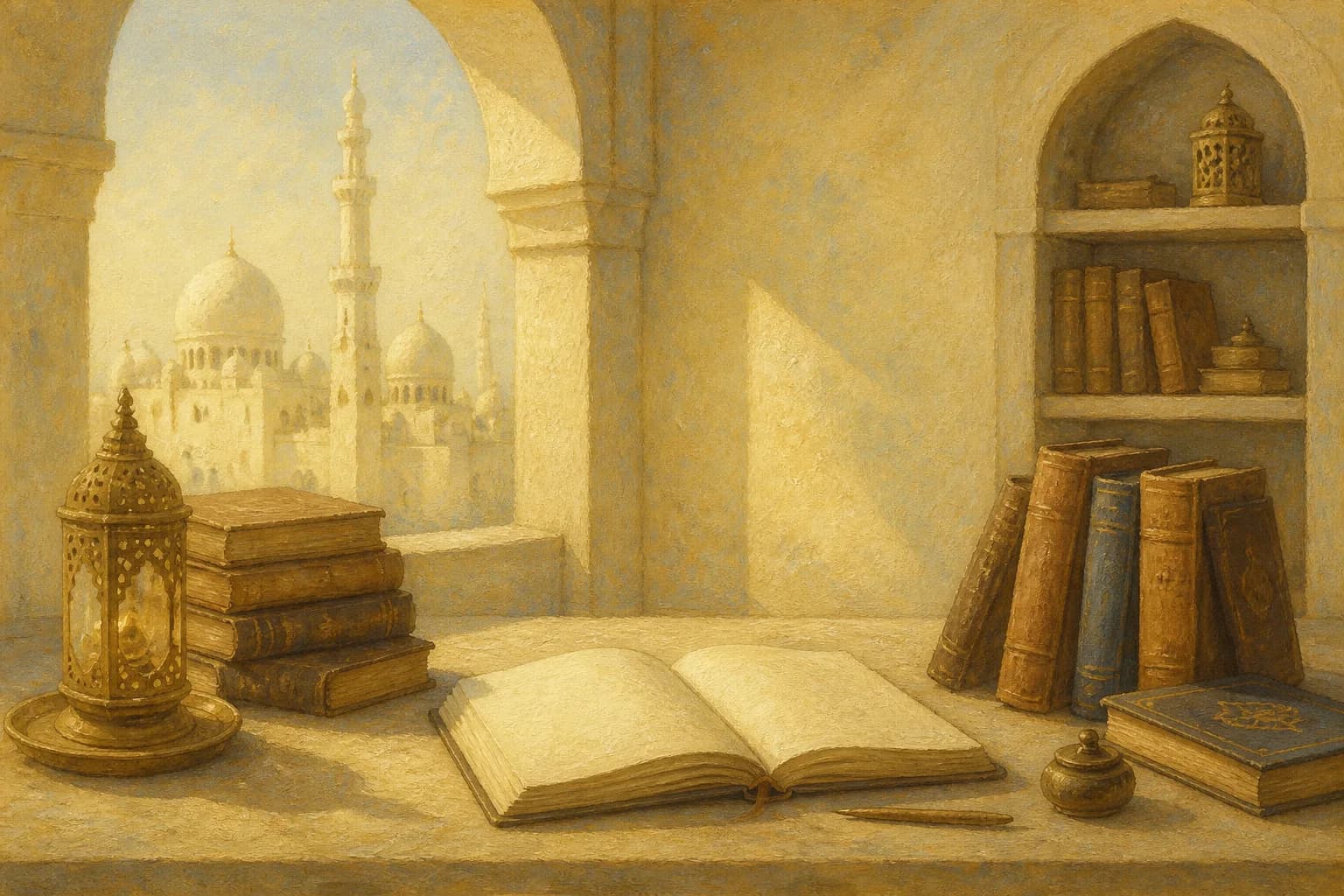

There is something that happens when a Muslim first enters Al-Masjid an-Nabawi (المسجد النبوي) in Medina. Years of hearing about this place, of sending salutations on the Prophet ﷺ, of reading his biography — and then suddenly the mosque is real, the city is real, and the weight of standing near where he lived and prayed settles in.
Visiting the Prophet's mosque is not a required part of Hajj or Umrah. But the majority of scholars across all four major madhabs consider it among the most recommended acts a Muslim can perform — and the reasons are grounded in hadith that leave very little ambiguity. Whether you have been to Medina already or are planning to go, understanding what makes it spiritually significant changes everything about how you approach the visit.
The Prayer Reward at Al-Masjid an-Nabawi
When the Prophet ﷺ arrived in Medina after the Hijra, one of the first things he did was build a mosque. Not a palace, not a market — a place of worship, constructed from palm trunks and mud brick, where the community could pray and learn together.
That original structure is long gone. The mosque now spans an enormous area and can accommodate hundreds of thousands of worshippers. But the spiritual weight attached to prayer there has not changed:
"A prayer in this mosque of mine is better than one thousand prayers offered elsewhere, except the Sacred Mosque." — (Sahih Bukhari 1190)
One prayer in Al-Masjid an-Nabawi equals one thousand prayers elsewhere. Every obligatory prayer, every sunnah prayer, every voluntary nawafil you perform there — the multiplication applies to each one. A single day in Medina, with its five obligatory prayers and accompanying sunnah prayers, accumulates what would take months of worship elsewhere.
This is why scholars throughout Islamic history have urged those traveling to Mecca for Hajj or Umrah to extend their journey to include Medina. It is not required. But the reward is immense.
The Rawdah: A Garden Within the Mosque
Within Al-Masjid an-Nabawi lies a space that carries its own distinct significance. The Prophet ﷺ said:
"Between my house and my pulpit lies a rawdah (garden) from the gardens of Paradise." — (Sahih Bukhari 1195)
The rawdah (الرَّوْضَة) — the garden — refers to the area between the Prophet's original home and his minbar. Today it is typically marked with green carpeting, distinguishing it from the surrounding red carpeting in the mosque. Praying within the rawdah is a goal many visitors prioritize, and it often requires patience given the crowds.
Every prayer anywhere in the mosque earns the thousand-fold multiplication. But the rawdah carries a specific hadith-backed distinction and a direct spatial connection to the Prophet ﷺ himself. Arriving before Fajr is typically the best window for finding space within it.
Visiting the Grave of the Prophet
The practice of visiting the grave of the Prophet ﷺ is affirmed by the majority of Islamic scholars, including leading voices across all four major schools of jurisprudence. The etiquette is straightforward: stand before the grave, face it, lower your voice, and offer salutations.
اللَّهُمَّ صَلِّ عَلَى مُحَمَّدٍ وَعَلَى آلِ مُحَمَّدٍ
"O Allah, send blessings upon Muhammad and upon the family of Muhammad." — The salawat taught by the Prophet ﷺ himself (Sahih Muslim 407)
The graves of Abu Bakr (رضي الله عنه) and Umar ibn al-Khattab (رضي الله عنه) are adjacent to the Prophet's grave. It is Sunnah to offer greetings to them as well, acknowledging the companions who served the Prophet ﷺ and the ummah with their lives.
Standing at this grave is also a moment to reflect on the community Allah describes in the Quran:
وَالسَّابِقُونَ الْأَوَّلُونَ مِنَ الْمُهَاجِرِينَ وَالْأَنصَارِ رَّضِيَ اللَّهُ عَنْهُمْ وَرَضُوا عَنْهُ
"And the first forerunners in faith among the Muhajireen and the Ansar — Allah is pleased with them and they are pleased with Him." — (Surah At-Tawbah, 9:100)
Standing in the city those companions built, you are standing in the very space that verse describes.
Why This Matters for Muslims Today
Most Muslims will not visit Medina frequently. Many will go once in their lifetimes, often tied to Hajj or Umrah. That makes the visit something to prepare for intentionally — not just logistically but spiritually.
If you are planning Hajj or Umrah, building Medina into your trip is worth understanding in depth before you go. The complete guide to performing Umrah and the step-by-step Hajj guide walk through the rites you will perform in Mecca — but Medina sits alongside those rites, not within them, as its own distinct spiritual destination.
For Muslims who have not yet been, understanding what makes Medina spiritually significant changes how you relate to it from a distance. Every salawat on the Prophet ﷺ — which Allah commands in Surah Al-Ahzab 33:56 and which carries its own reward — becomes a form of connection to the very mosque you are learning about now.
The Demi Manifest piece on tawakkul in daily life touches on something relevant: genuine spiritual connection does not require physical presence. The practices we build daily — sending salawat, learning from the seerah, praying with presence — keep us spiritually tethered to the Prophet ﷺ even when we are far from Medina.
Still searching for a clear Islamic answer?
Explore sourced answers rooted in the Quran, authentic hadith, and respected scholarship—without getting lost in conflicting search results.
Take the Islam Quiz
How to Make the Most of Your Visit to Medina
Pray as many prayers as possible in the mosque. The 1000x reward applies to every prayer — obligatory, sunnah, and voluntary. Stay for them all if you can. The logistics of being in Medina are an invitation to pray more, not less.
Visit the rawdah during quieter hours. The rawdah is most accessible before Fajr, when crowds are thinnest. Go with the intention of prayer and dua — not merely of having "been there." Presence matters more than having secured a spot.
Offer salutations at the grave with deliberateness. Stand, quiet your thoughts, and speak your salutations with awareness. Keep your voice low. Scholars discourage touching the barrier or the grave itself — not because the visit is problematic, but as a matter of proper etiquette and respect.
Visit Masjid Quba. This is the first mosque ever built in Islamic history, constructed by the Prophet ﷺ immediately upon arriving in Medina. He said that praying two rak'ahs there earns a reward similar to performing Umrah. (Sunan Ibn Majah, authenticated by al-Albani.) The Prophet ﷺ visited Masjid Quba on foot or by riding every Saturday — a practice his companions continued after him.
Visit the al-Baqi cemetery. The Prophet ﷺ visited the graves at al-Baqi regularly, particularly in the early morning. Many companions, the Prophet's wives and children, and major figures of the early Muslim community are buried there. It is a place for reflection and dua for the deceased.
Build a connection you can carry home. DeenBack's guide to building a morning dua routine shows how reflective practices after a spiritual experience help embed the lessons into daily life. Medina has a way of surfacing realizations that are hard to articulate in the moment — a journal, or even brief voice notes, gives those realizations somewhere to live after you return.
The significance of Friday prayer in Islam is worth reading in this context: Jumu'ah took its shape in Medina. Standing in the mosque where the Prophet ﷺ delivered the khutbah changes how you hear the khutbah every week thereafter.
A Feed Worth Scrolling
Swipe through short, scholar-approved Islamic lessons instead of mindless doom-scrolling.
Learn Through Play
Bite-sized lessons, quizzes, levels, and daily streaks make growing your Deen a habit.
Scholar-Approved
Every lesson is rooted in the Quran and authentic Sunnah and reviewed by qualified scholars.
Signs That the Visit Has Left Its Mark
- You send salawat on the Prophet ﷺ more consistently — and with more feeling — than before the visit.
- The five daily prayers feel different. You are more aware of what it means to stand in the same posture the Prophet ﷺ stood in, facing the same direction, saying the same words.
- You find yourself making dua for the ummah — not just your family — because standing in Medina made the ummah feel real and close.
- The seerah becomes personally meaningful in ways it was not before. Names like Bilal, Khadijah, Abu Bakr are no longer just characters in a story.
- You return with a clearer sense of what kind of Muslim you want to be.
Common Questions
Is visiting the mosque required during Hajj? No. Al-Masjid an-Nabawi is not part of the mandatory rites. The visit is a highly recommended act, affirmed by the overwhelming majority of scholars, but its omission does not affect the validity of Hajj or Umrah.
What should I do at the Prophet's grave? Stand before it, face it, lower your voice, and offer salutations — beginning with the Prophet ﷺ, then his two companions beside him. Keep the visit respectful and unhurried. Make dua for yourself, your family, and the ummah.
Can you pray inside the rawdah at any time? The rawdah is accessible during all prayer times, but it is often full. Women and men access the area from separate sections of the mosque. Arriving before Fajr and staying through the prayer is the most reliable approach for finding space within the rawdah itself.
How long should I try to spend in Medina? Scholars historically recommended at least eight days — enough to pray forty consecutive prayers in Al-Masjid an-Nabawi, an act mentioned in some narrations as carrying specific blessings. Even a few days, used intentionally, offer the full spiritual experience the city has to give.
Closing
Medina holds a place in Muslim consciousness that no other city shares. The Prophet ﷺ built his community there, taught his companions there, and now rests there. Visiting Al-Masjid an-Nabawi is one of the most direct ways a Muslim can connect with that history — not as a tourist, but as a believer whose faith was shaped by the man whose mosque you are standing in.
Whether you go this year or carry it as a future intention, let the knowledge of what awaits sharpen how you relate to the Prophet ﷺ today — in your salawat, in your sunnah, and in the way you carry his example into ordinary days.
Still searching for a clear Islamic answer?
Explore sourced answers rooted in the Quran, authentic hadith, and respected scholarship—without getting lost in conflicting search results.
Take the Islam QuizFrequently Asked Questions
Is visiting the Prophet's mosque obligatory as part of Hajj?
No. Visiting Al-Masjid an-Nabawi is not a required step in Hajj or Umrah. It is a highly recommended practice affirmed by the vast majority of scholars, but its omission does not affect the validity of your Hajj.
What is the Rawdah and how do I pray there?
The Rawdah is the area between the pulpit and the house of the Prophet ﷺ, described in an authentic hadith as a garden from the gardens of Paradise. Arriving before Fajr gives you the best chance of praying within it.
What should I say when visiting the Prophet's grave?
Stand before the grave, face it, lower your voice, and offer salutations: Assalamu alayka ya Rasulallah. This is affirmed by the majority of scholars as the proper Sunnah etiquette.
What is the spiritual significance of Masjid Quba?
Masjid Quba was the first mosque built in Islamic history. Praying two rak'ahs there carries a reward equivalent to performing Umrah, as recorded in authentic hadith. The Prophet visited it regularly on Saturdays.